Practice Like A Pro 10.0: Breakout Details
Let’s be honest… if you’ve ever run a breakout drill in practice, you’ve probably seen everything.
Missed rims, wingers stuck to the wall like they’re glued to it, D turning back into pressure… and somehow it’s always the coach’s fault.
So this month, we’re going back to some details that actually make a difference: rims, support, deception, and activation.
Nothing fancy, nothing you need a whiteboard for 20 minutes to explain. Just simple, effective drills that translate to games.
And yes… your players might even have fun doing them.

Each drill below has a video attached - click on the drill graphic to see the video!
Practice Like A Pro 10.0 – Passing Activation
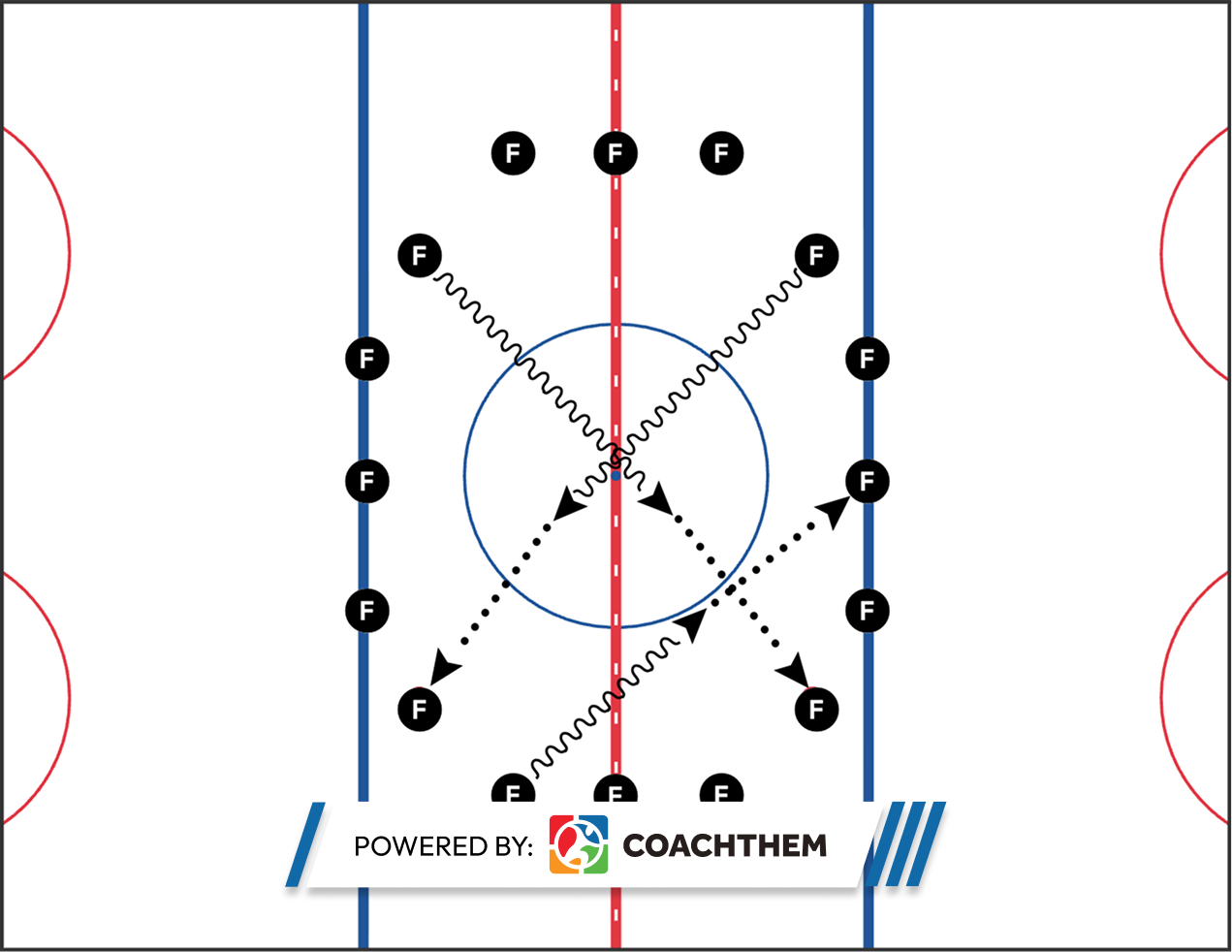
If the pros can do it, youth players can learn it too.
This drill focuses on deception with the puck. Looking one way and passing the other, selling plays, and not being predictable.
You can add different restrictions to keep it fresh and challenging:
- No passing back to the same player
- No passes on the same side (divide the zone into four sections)
- Forehand only or backhand only
You can even let the players choose the rules. It usually gets more competitive when they feel like they’re in charge… even if it lasts about 30 seconds.
Simple drill, but great for hands, awareness, and creativity.
Practice Like A Pro 10.0 – PSF – Rims on Breakout
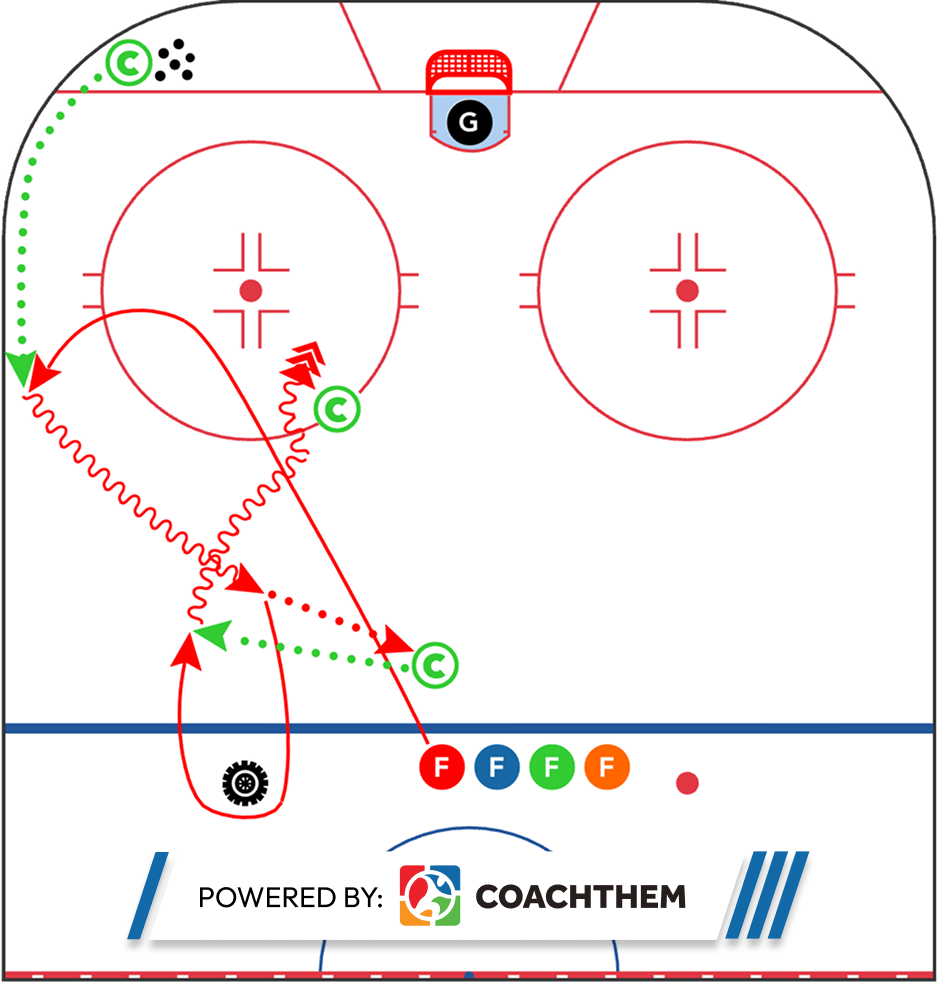
Getting off the wall on breakouts is huge if you want to create space and manipulate the forecheck.
Especially if your team likes to attack D2 on line rushes, your forwards need to be comfortable handling rimmed pucks and making plays quickly.
This drill works on rim retrievals for forwards under light pressure.
It allows them to get comfortable with timing, body positioning, and puck control before adding heavier pressure.
Because we all know… it looks easy until someone is actually coming to hit you.
Practice Like A Pro 10.0 – Breakout Small Area
The wall play might be one of the most underrated skills in hockey.
And somehow… it’s also one of the least practiced.
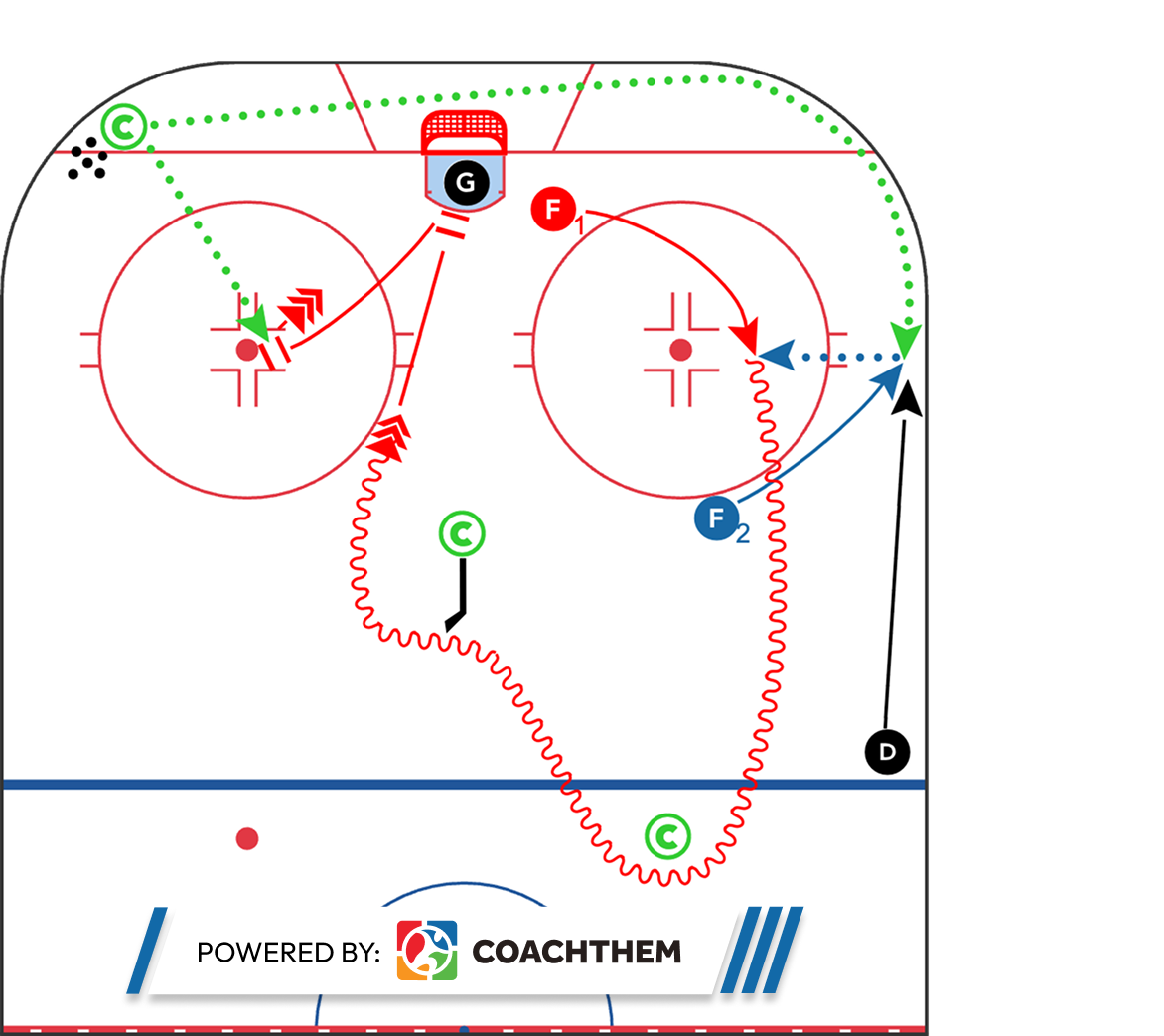
In this drill, everyone is involved. Forwards and defensemen both need to be comfortable making plays along the boards.
The forward must not only handle the rim, but also scan the ice and read the pressure from the pinching defenseman.
With F2 supporting in the middle, the puck carrier has options:
- Chip it
- Protect it (“eat it”)
- Move it to the middle
It’s a simple setup, but it improves breakouts and also translates really well to offensive zone resets.
And anything that helps your team spend less time stuck on the wall is a win.
Practice Like A Pro 10.0 – PSD – Net Shield
I love this drill.
The rink staff… probably not as much.
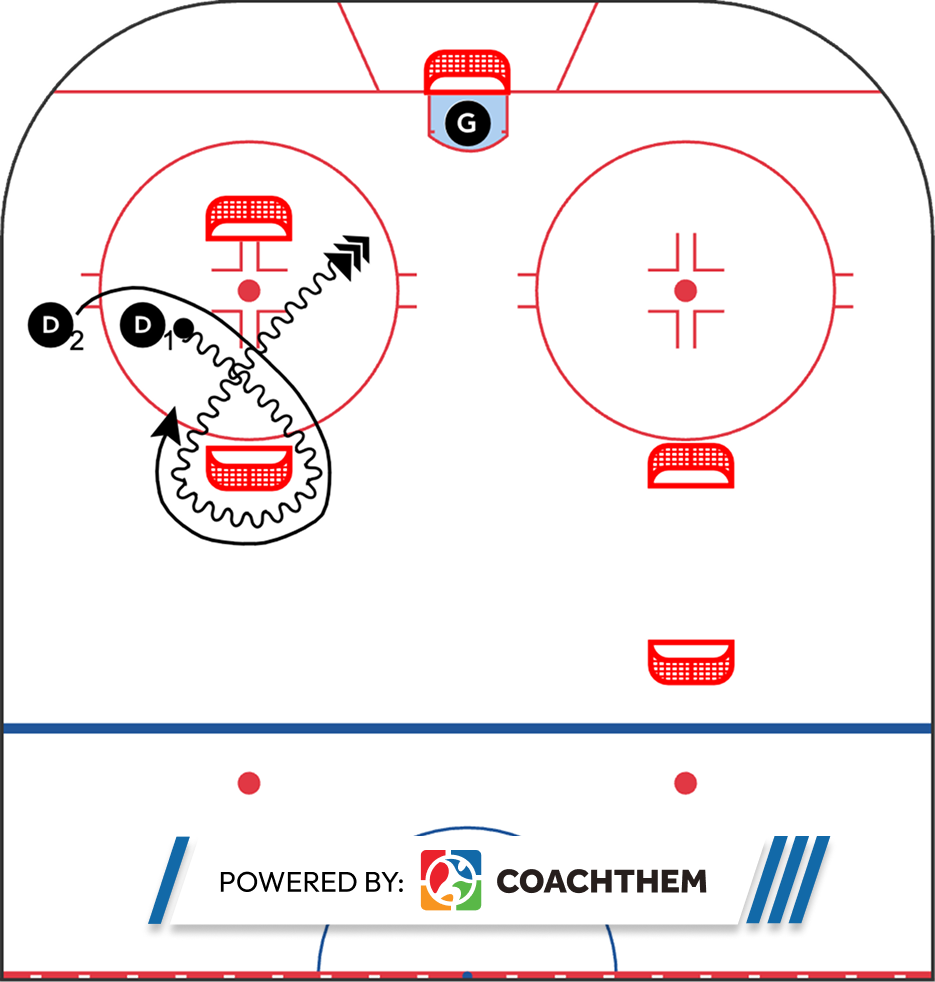
This one focuses on using the net as a shield during breakouts. Defensemen retrieve the puck, use the net to cut off pressure, and build speed coming out of the turn.
It’s a great way to work on edges, puck protection, and escaping pressure.
Run a few reps around the net, build up speed, then finish with a shot.
Simple, effective… and yes, expect a few pucks to end up in places they shouldn’t.
Practice Like A Pro 10.0 – PSD – Rims and Blue Line
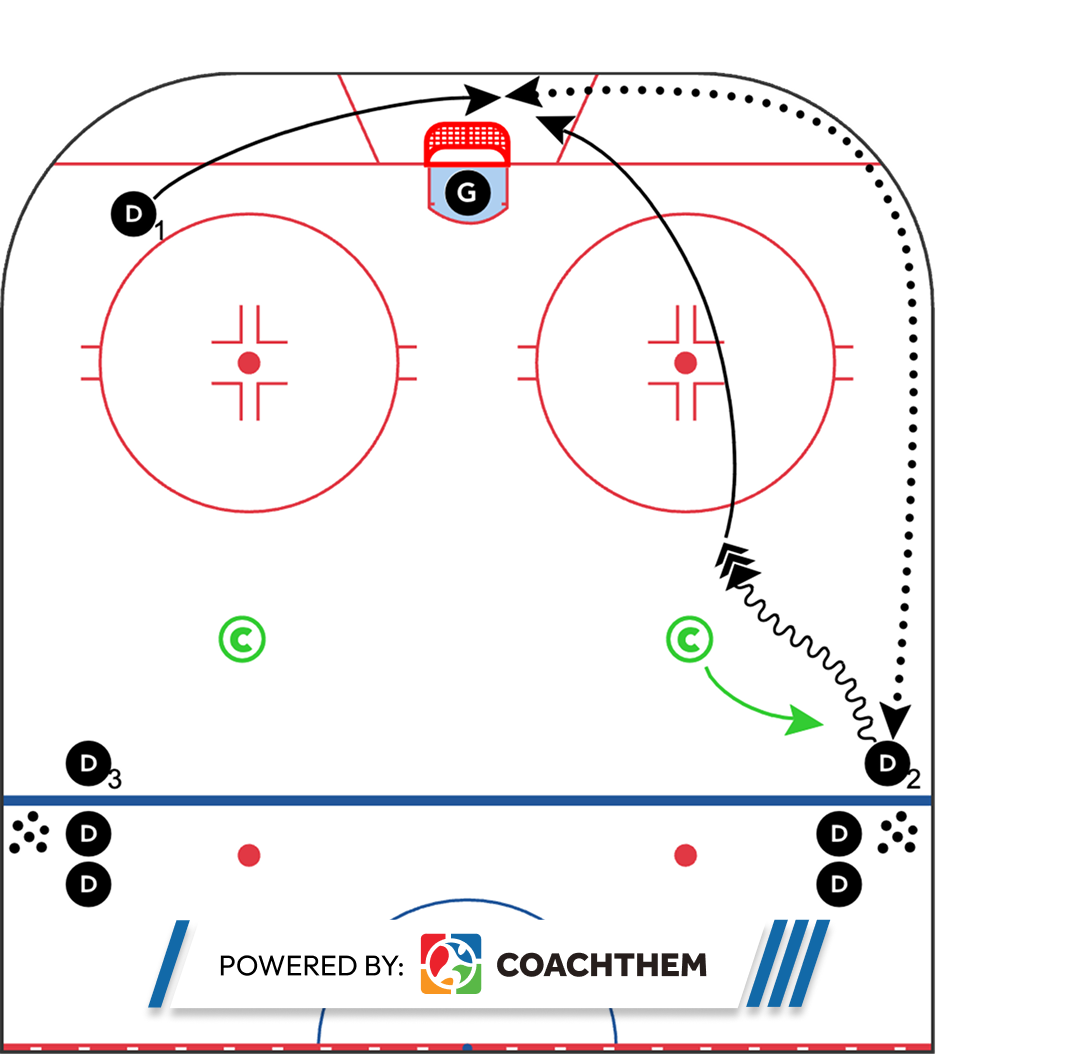
This is a simple drill, especially useful when you want to split your group.
Quick question: How often do you actually practice handling hard rims under pressure?
Exactly.
This drill focuses on defensemen handling rimmed pucks from the forecheck, controlling them cleanly, and making a play right away.
Catch the rim, move the puck, activate.
It’s also a great continuous drill, so players get a lot of reps without standing around.
And usually, the cleaner your D handle rims… the less your bench yells during games.
At this time of the season, it’s not about adding a hundred new systems. It’s about sharpening the details that show up every single shift.
Breakouts, rims, support, and puck movement under pressure.
If your players can make quicker decisions and stay a step ahead, everything starts to look easier on the ice.
Keep the drills simple, keep them competitive, and don’t be afraid to let players have a bit of fun with it. Because when they’re engaged, they learn faster… and practices usually run a lot smoother.
Good luck, and try not to blame the ice too much this week.
About Mitch Giguere
Mitch Giguere is a professional hockey coach and lifelong student of the game. He is currently an assistant coach with the Wheeling Nailers, an ECHL affiliate of the Pittsburgh Penguins (NHL) and Wilkes-Barre/Scranton Penguins (AHL). A former KHL coach, Mitch holds both his High Performance 2 certification from Hockey Canada and an Advanced Coaching Diploma (NCCP4) through the Canadian Sport Institute.
As a CoachThem Teammate, Mitch contributes monthly blogs focused on skill-specific drills, practice efficiency, and modern coaching habits. His goal is simple: help coaches design smarter practices, stay organized throughout the season, and create environments where players can develop with intention.
Frequently Asked Questions
What are these drills designed to improve?
They focus on the details that drive breakout success: handling rims, scanning pressure, supporting teammates, and moving the puck quickly under forecheck pressure.
How do I keep the Passing Activation drill fresh?
Add simple constraints like no passing back to the same player, forehand-only/backhand-only, or no passes on the same side. Let players choose the rules to increase competitiveness.
Why practice handling hard rims so often?
Rims look easy without pressure, but real forechecking makes them hard. Reps build confidence in retrievals, body positioning, and quick decision-making that shows up in games.
Do these drills work for both forwards and defensemen?
Yes. Several drills involve everyone, while others target specific roles (for example, Net Shield and Rims and Blue Line emphasize defensemen handling pressure and activating quickly).
How do I add pressure without wrecking the drill?
Start with light pressure so timing, support, and puck control are clean. Then gradually add speed and contact as players get comfortable, keeping the drill competitive but under control.

Now available on iOS — access your saved practice plans on the go.
Build Better Practices — Faster
Trusted by NHL, PWHL, and youth coaches across the world.
Start Your 10-Day Free TrialAlready have an account? Log in
Know other coaches who’d love CoachThem?
Join CoachThem Rewards and earn commissions for every referral.
Written by Mitch Giguere in collaboration with the CoachThem Team
Recommended Posts
How Ice Hockey and Inline Hockey Develop Smarter Players
Explore how ice hockey and inline hockey work together to build smarter, more adaptable players through skill development, decision-making, creativity, and structured training.
Practice Like A Pro 11.0
Five simple and effective hockey drills coaches can use to build better habits, improve execution, create more puck touches, and keep practices competitive.
The 2026 NHLCA Global Coaches’ Clinic Returns With the Annual Drill Book
CoachThem is proud to support the 2026 NHLCA Global Coaches’ Clinic in Pittsburgh with the annual NHLCA Drill Book powered by CoachThem.