The End of Hockey Season: What Good Coaches Do That Others Don’t
The end of the hockey season is more than a win-loss recap. Here's how good coaches use this moment to actually get better.
The end of the hockey season always comes fast — and fades just as quickly. Within a few weeks, the memories blur, the intentions fade, and by September you're often starting from scratch as if last season never happened. Here's how to avoid that.

The Calm After the Storm: A Rare Moment
The season is over. Your players put away their gear. Parents move on. And you find yourself in that strange in-between moment — the calm after the storm.
Most coaches let it slip by. They're tired, which is understandable. They need to step back, which is fair. But the coaches who improve the most from one season to the next are the ones who use this moment to pause and reflect — not for hours, just long enough to capture what's still fresh.
The One Question That Really Matters
Before thinking about new systems, new drills, or next year's roster, there's one question that should come first:
Did my players grow this year?
Not just technically. As hockey players, yes — but also as young people. Did they learn to handle adversity? To trust a teammate in a tough moment? To bounce back after a rough stretch?
In minor hockey, that's the real measure of success. Not the standings. Not the win total. The human and athletic growth of every player in your group.
If you can answer yes to that question — even partially — it was a good season.
Why Memory Is Your Worst Enemy
The tricky thing about the end of the hockey season is that everything feels clear right now. You know exactly what worked. You can see precisely what you'd do differently. You have specific ideas for next year's camp.
And then September arrives.
And most of those ideas are gone. Not because you lack discipline — but because you're human. Memory erases the details, keeps the general impressions, and you end up starting over without even realizing it.
The fix is simple: write it down while it's still fresh.
Four Questions for a Useful End-of-Season Review
No need for a big document. No complicated spreadsheet. Just four honest questions, answered while the season is still in your head.
1. What actually worked well?
A drill that clicked. A way of explaining a concept that finally landed. A team activity that built real chemistry. A piece of feedback that hit at the right moment. Write it down — not to pat yourself on the back, but so you don't lose it. Good ideas deserve to be reused.
2. What would I change starting in the first month?
Not the whole season. Just the beginning. Because the start sets the tone for everything that follows — team dynamics, habits, expectations. If something got off track this year, that's usually where it started.
3. What do I want to explain better starting at camp?
There's always a behavior, a cue, or a value you tried to build all season without quite getting there. What was it for you this year? Write it down now, and think about how you'll approach it differently from day one.
4. What does your drill library tell you?
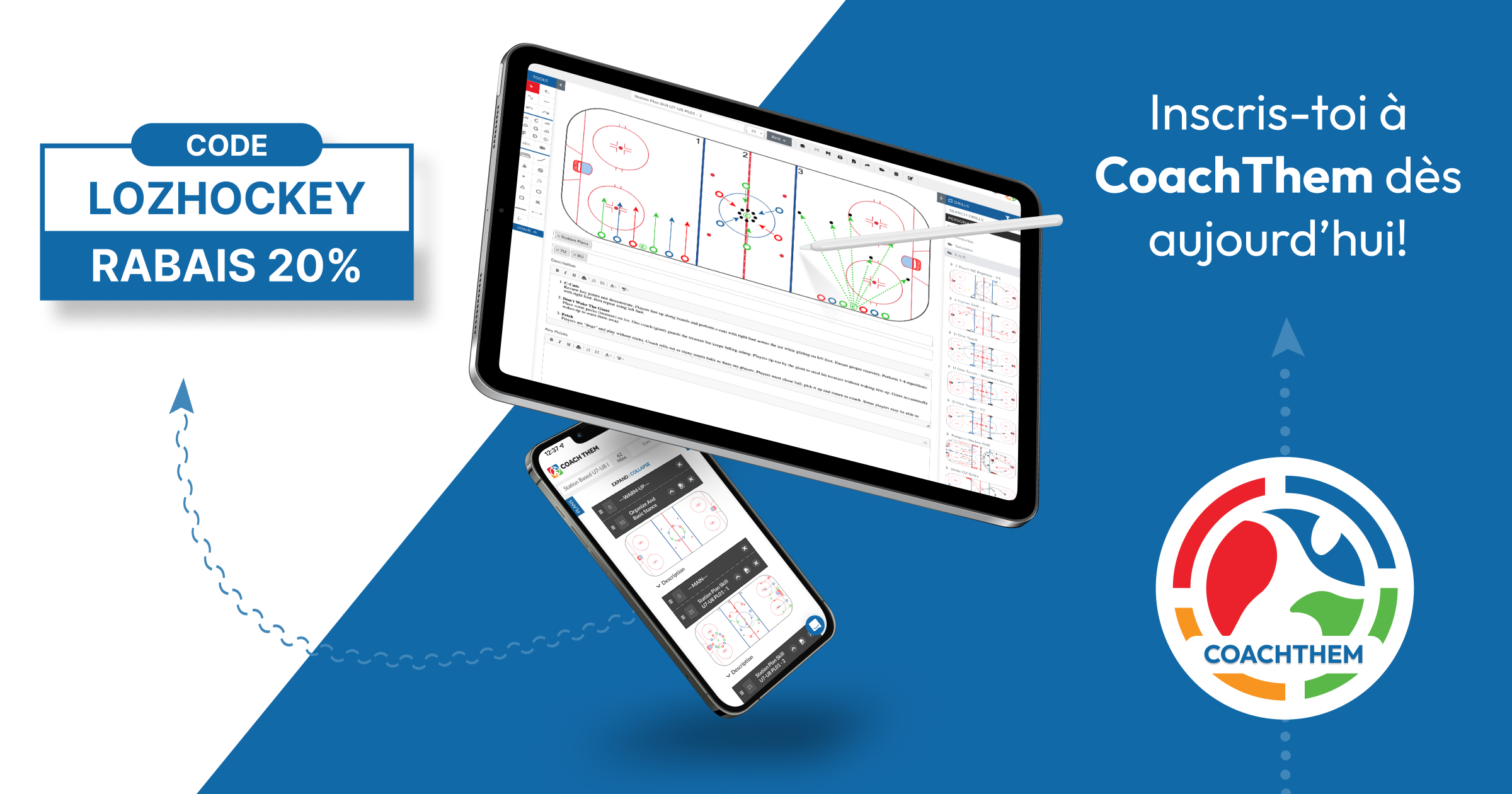
This is where CoachThem becomes one of your most valuable tools at the end of the season.
Go back through the drills you used this year. Not to review them all — but to identify the ones that made a real difference, and the ones that fell flat.
For the drills that worked: add notes. What age group? What context? What made it click — the progression, the explanation, the timing? That detail is what you'll forget by August.
For the drills that didn't work: don't delete them. Add a note explaining why. Was it the wrong level? The wrong moment in the season? A setup issue? That context will help you make a better call next time.
Take the time to tag your best drills, clean up your descriptions, and build key teaching points into each exercise. Your future self — standing behind the bench next October — will thank you.
A well-organized drill library isn't just a coaching tool. It becomes your coaching memory — something you can rely on all season. And right now, at the end of the season, is the best time to build it.
Next Season Starts in April, Not August
That's the paradox of the end of the hockey season: the coaches who show up best prepared in September didn't prepare in August. They took twenty to thirty minutes in April — when everything was still vivid in their heads.
This review doesn't need to be perfect. It needs to be honest. Because the coach you'll be next year starts taking shape right now, in this quiet moment the season never allowed.
Take it. It won't come back.
An effective coach prepares when no one is watching.
Bon coaching!
Coach Steve
Loz Hockey
About Steve Lauzon
Steve Lauzon is a minor hockey coach and educator with nearly three decades of experience behind the bench. He is the founder of Loz Hockey, a coaching platform launched in 2012 to help coaches simplify their season planning while keeping player development at the centre of every decision.
Steve remains deeply involved in minor hockey, mentoring coaches and sharing practical insights to help them feel prepared, organized, and confident throughout the season. As a CoachThem Teammate, he contributes content designed to support coaches both on and off the ice.
Follow Steve on TikTok, Facebook, and YouTube for coaching tips, drills, and updates.
Frequently Asked Questions
Why is end-of-season reflection important for hockey coaches?
End-of-season reflection helps coaches capture what worked, what didn’t, and what they want to improve while the season is still fresh. It turns experience into something practical you can actually use next season instead of starting from scratch.
What should a hockey coach review at the end of the season?
A useful review can be simple. Think about what worked well, what you would change early next season, what concepts or behaviours need to be explained better, and which drills made the biggest impact throughout the year.
How can coaches use their drill library more effectively after the season?
Go back through the drills you used and add context while it’s still fresh. Note which drills were effective, what age group they suited, why they worked, and why certain drills fell flat. That extra detail makes future planning much easier.
How long should an end-of-season coaching review take?
It doesn’t need to take long. Even twenty to thirty minutes can be enough to capture key lessons, organize your thoughts, and set yourself up to coach with more clarity and confidence next season.

Now available on iOS — access your saved practice plans on the go.
Build Better Practices — Faster
Trusted by NHL, PWHL, and youth coaches across the world.
Start Your 10-Day Free TrialAlready have an account? Log in
Know other coaches who’d love CoachThem?
Join CoachThem Rewards and earn commissions for every referral.
Written by the CoachThem Team
Recommended Posts
The End of Hockey Season: What Good Coaches Do That Others Don’t
End of hockey season? Learn how great coaches reflect, improve, and prepare for next year with simple, effective review strategies that actually make a difference.
Practice Like A Pro 9.0
Hockey practice drills focused on breakouts, blue line activation, and small area games. Help your players improve decision-making, puck support, and compete level in every practice.

The Playoff Strength Plan Every Ice Hockey Coach Needs
Playoff hockey demands a different approach to strength and performance. Learn how to structure training, manage fatigue, and maintain speed, power, and efficiency when it matters most.