

January Is Where Habits Are Exposed — Not Built
By January, most teams don’t have a skill problem.
They have a habit problem. And here’s the uncomfortable truth for coaches:
January doesn’t create bad habits, it exposes the ones that were never truly built.
Early in the season, structure protects players. Drills are clean. Ice is available. Energy is high. Mistakes feel correctable.
By January, none of that protection exists.
Space disappears. Decisions speed up. Fatigue compounds. And suddenly, the habits we thought we taught start to unravel.

Why January Feels Different
January hockey punishes indecision.
Opponents close faster. Pucks are harder to hold onto. Breakouts don’t have time to breathe.
What worked in October now breaks under pressure — not because players forgot, but because the habits were never stress-tested.
Do you find yourself saying:
- “We can do it in practice”
- “They know what to do”
- “It’s just not showing up in games”
Knowing and doing are not the same thing.
Habits only exist if they survive pace, pressure, and fatigue.
What January Reveals
By mid-season, three habits are always exposed:
- Puck Support Timing: Players support late, not because they’re lazy, but because early-season reps were too predictable. January demands support before pressure arrives, not after.
- Scanning Under Fatigue: Players who scanned early in the season stop scanning when tired because it wasn’t trained as a non-negotiable. If scanning disappears under fatigue, it was never a habit.
- Decision Speed: Players hesitate because they’ve practiced execution more than recognition. January hockey doesn’t reward perfect execution — it rewards fast decisions.
Can you “Install” Habits Now?
This is where many coaches make their biggest January mistake.
They try to teach habits mid-season. More talking. More explanation. More structure.
But January isn’t for teaching — it’s for reinforcing and exposing.
At this point in the season:
- You remove pre-determined support
- You increase pressure
- You allow for some chaos
Do your habits survive?
What Coaches Should Actually Do in January
January practices should answer one question:
Do our habits hold up when the game speeds up and gets uncomfortable?
That means:
- Fewer reps that reset cleanly
- More reps that continue after mistakes, rebounds, turnovers
- More decisions with imperfect information
- Less stoppage, more events
The goal isn’t perfection.
The goal is reliability when under duress.
January Habit Reinforcement Drill
(Game-Transfer Focused) connecting Game Transfer Blueprint to CoachThem.
The Game Transfer Blueprint is a coach-focused resource designed to align practice habits and tactical concepts with what actually shows up in games. When paired with CoachThem as your drill design hub, the transferable practice plans within the Game Transfer Blueprint provide coaches with a clear, structured foundation for developing players whose habits consistently carry over to game situations.

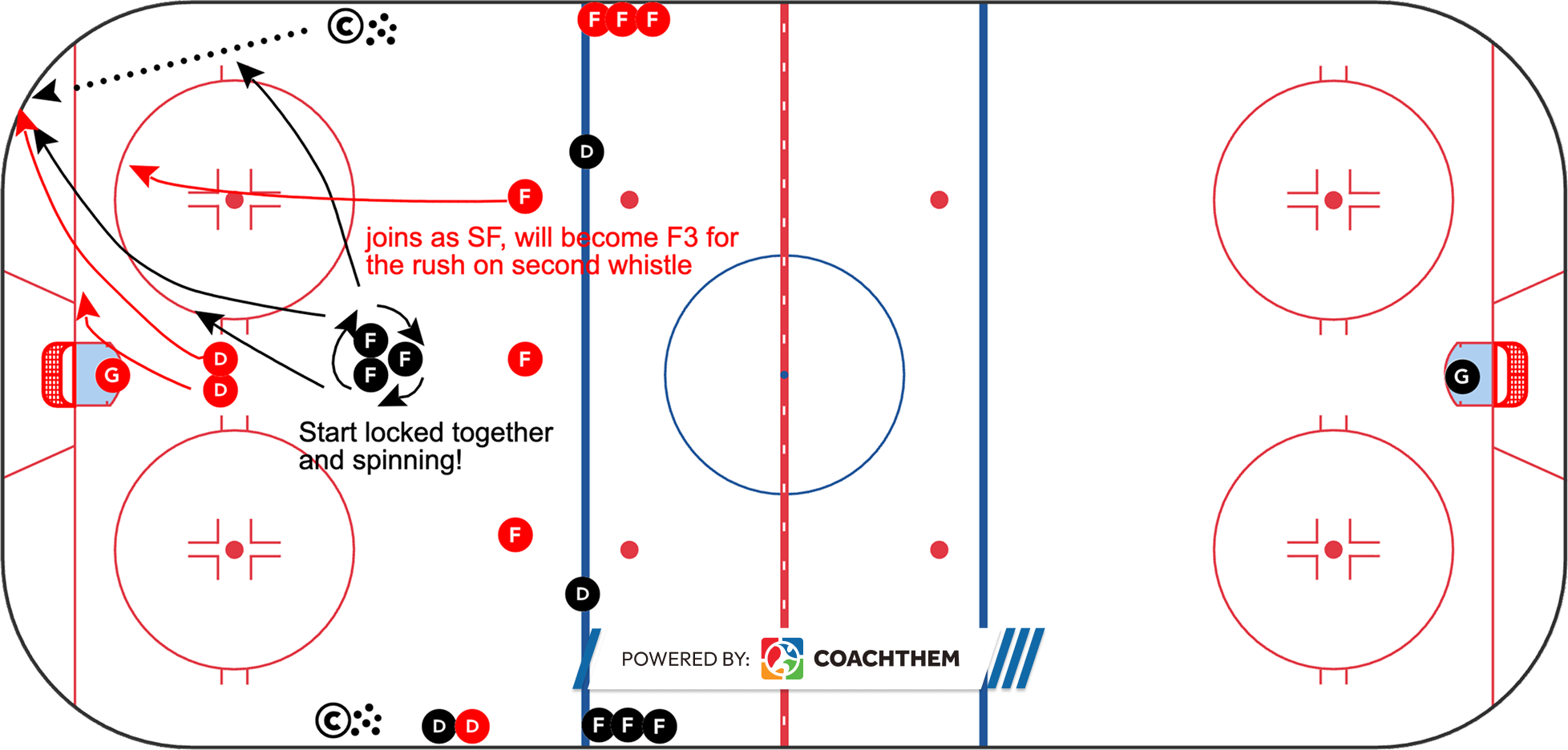
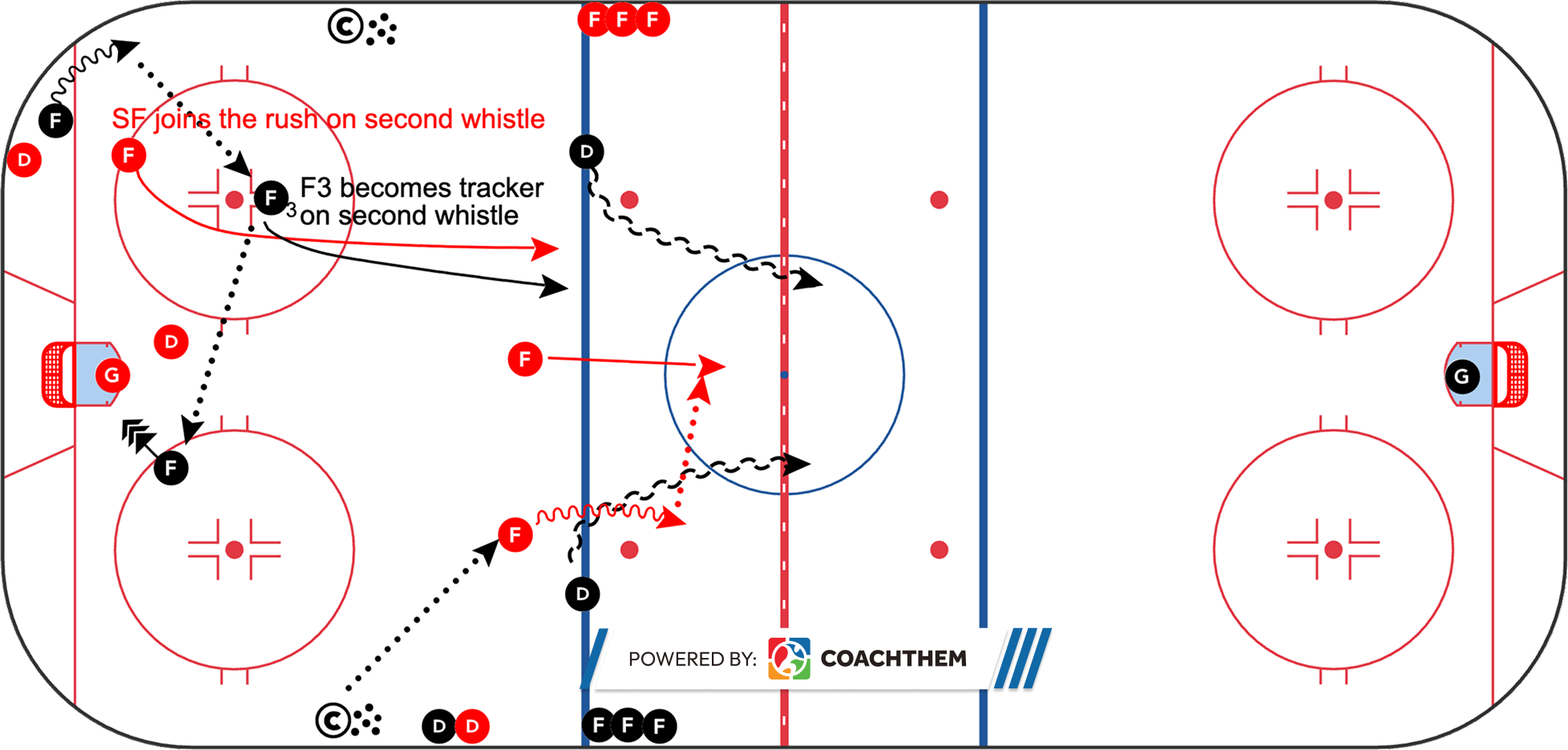
Continuous Support Under Pressure
Game Transfer Sequencing (3v3 off OZFC) part 1
Game Transfer Sequencing (3v2 with tracker) part 2
Key January Adjustment:
- Try not to stop the drill to correct.
- Let the habit (or lack of it) show up.
- Correct after the rep, with individuals.
Final Thought
January doesn’t ask players what they know.
It asks what they can rely on.
If habits are built properly early, January becomes where teams separate.
If they weren’t, January becomes frustrating and honest.
As a coach, don’t panic.
Expose. Reinforce. Pressure.
The game will tell you everything you need to know.
About Matt Keillor
Matt Keillor is an elite hockey coach with over 15 years of experience coaching from U15 AAA to the WHL. As the founder of Game Transfer Blueprint, Matt focuses on developing habits, tactical awareness, and practice environments that translate directly to game performance.
Frequently Asked Questions
Why does January expose habits in hockey players?
January increases pace, pressure, and fatigue. Habits that were not reinforced under realistic game conditions earlier in the season begin to break down when players have less time and space to make decisions.
Why do players perform habits in practice but not in games?
Practice environments often protect players with predictable reps and clean resets. Games remove that protection. If habits are not trained under pressure, they fail to transfer.
Should coaches teach new habits in January?
January is not ideal for teaching new habits. It is more effective for reinforcing, stress-testing, and exposing existing habits so coaches can identify what holds up under game conditions.
What habits break down most often in January hockey?
Puck support timing, scanning under fatigue, and decision speed are the most commonly exposed habits during mid-season play.
How should January practices be structured?
January practices should reduce stoppages, increase pressure, allow play to continue after mistakes, and prioritize decision-making under imperfect conditions.