Top 5 Olympic Hockey Plays of All Time And What Coaches Can Learn From Them
Ice hockey at the Olympic Games shows the sport at its highest level. The pace is faster, the space is tighter, and every decision carries weight. At that level, the plays that stand out aren’t just “highlight goals”—they’re perfect teaching reps for how elite players read pressure, support the puck, and execute within structure when there’s no margin for error.
For coaches, Olympic hockey is one of the best teaching environments available. These games strip hockey down to essentials: spacing, timing, puck support, defensive detail, and decision-making under stress. What works at the Olympics is rarely complicated. It’s usually simple hockey executed at speed, with precision and discipline.
If you’re looking for ways to improve decision-making under pressure, reinforce team structure, and connect practice habits to real game situations, these Olympic moments provide a blueprint you can teach, draw, and build into your season using CoachThem.
Ready to teach these plays this week? Start Your 10-Day Free Trial
1. Sidney Crosby’s “Golden Goal”
Canada vs USA — 2010 Vancouver Olympics (Overtime, Gold Medal Game)
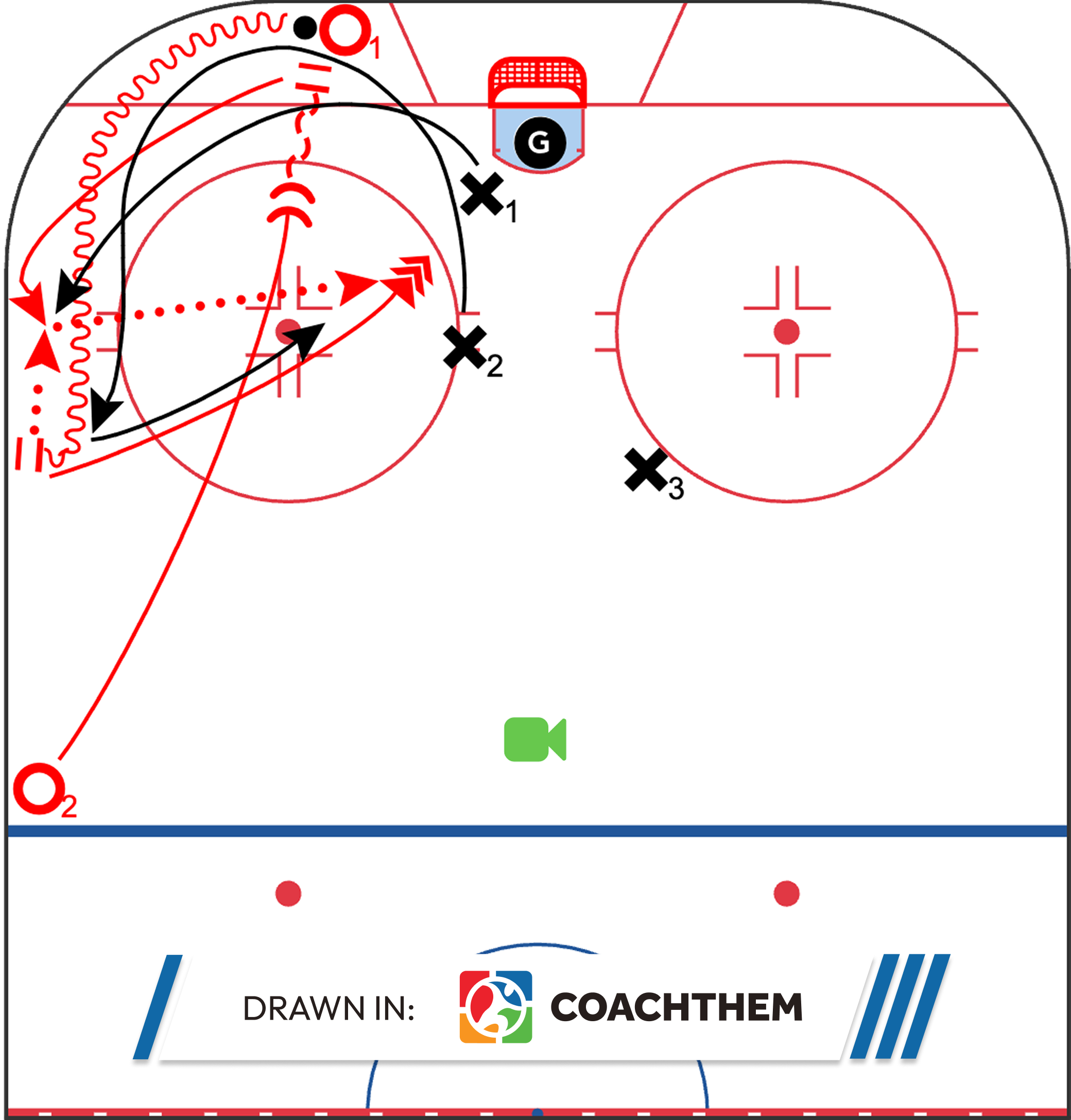
Sidney Crosby’s overtime goal in the 2010 Olympic gold medal game is one of the most replayed moments in Olympic ice hockey history, but what makes it legendary from a coaching standpoint is not just the finish, but everything that happens before the puck goes in.
This play occurred in overtime of a gold medal game, after Canada had already given up a late tying goal. Fatigue and emotions are high. Every player on the ice understands that one mistake ends the game. In those moments, teams often default to low-percentage hockey: rushed shots, forced passes, or individual plays. Canada did the opposite.
This is a textbook example of elite possession hockey under maximum pressure, where every player involved makes the safe, correct decision at the exact right time.
This play is valuable because it shows how structure, patience, and timing can break down even the best defensive coverage without needing speed or chaos.
Why It Worked (Tactical Breakdown)
Canada’s overtime goal works because every player involved understands how to use time and space under pressure. Entering the offensive zone with full control, Canada prioritizes possession over shot volume, resisting the urge to force a low-percentage play and instead holding structure while maintaining proper spacing. That patience forces the U.S. defense to stay engaged longer than they want to, increasing the likelihood of small breakdowns as coverage shifts.
Jarome Iginla’s delay behind the net is the critical trigger. By holding the puck for an extra moment, he draws defenders’ eyes and sticks toward him, subtly changing defensive priorities and opening a brief soft seam in the slot. This delay is more about reading defensive reactions and using time as an offensive weapon. Sidney Crosby does the rest by understanding arrival timing. Rather than attacking the slot early or waiting stationary in coverage, he arrives precisely as the seam opens, avoiding defensive contact and receiving the puck in a clean shooting lane. The finish looks effortless because the decision was already made before the puck arrived.
2. Miracle on Ice Go-Ahead Goal
USA vs USSR - 1980 Lake Placid Olympics (Men’s Tournament)
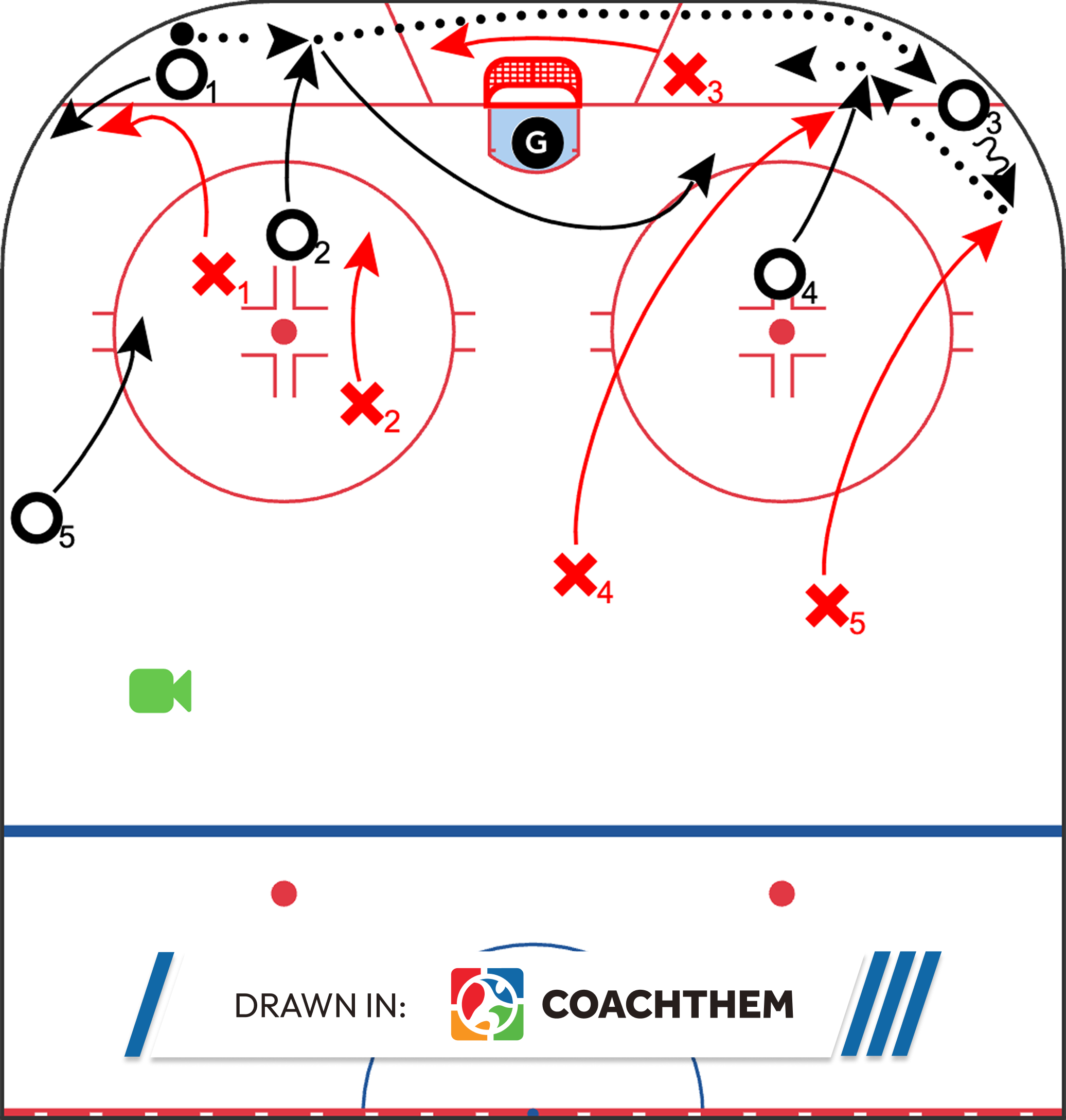
The go-ahead goal in the Miracle on Ice game is one of the most defining moments in Olympic ice hockey history, not because of individual brilliance, but because it represents structure defeating superior skill. The United States entered this game as a clear underdog against a Soviet team that dominated international hockey, yet the decisive moment came from disciplined, connected team play rather than a breakdown or lucky bounce.
By the third period, the U.S. was under sustained pressure. Fatigue was mounting, and the Soviets continued to push with speed and puck control. In that environment, many teams would default to survival mode, dumping pucks out and hoping for relief. Instead, the U.S. stayed committed to its structure and attacked with purpose when the opportunity appeared.
This goal matters because it shows how system discipline, spacing, and timing can create offense even against the most skilled opponents. It remains one of the clearest examples of how Olympic ice hockey rewards teams that trust structure under pressure.
Why It Worked (Tactical Breakdown)
The play succeeds because the U.S. maintains layered support through the neutral zone and transitions quickly without overhandling the puck. Rather than attempting to beat defenders one-on-one, the puck is moved north with speed while teammates fill lanes properly. This forces the Soviet defense to retreat while maintaining gap control, opening interior ice. As the puck enters the offensive zone, U.S. forwards drive inside lanes with conviction, pulling defenders toward the net and creating space for the late option. The finish comes not from deception or speed, but from correct positioning and commitment to inside ice.
3. Jocelyne Lamoureux’s Shootout Winner
USA vs Canada - 2018 PyeongChang Olympics (Women’s Gold Medal Game)
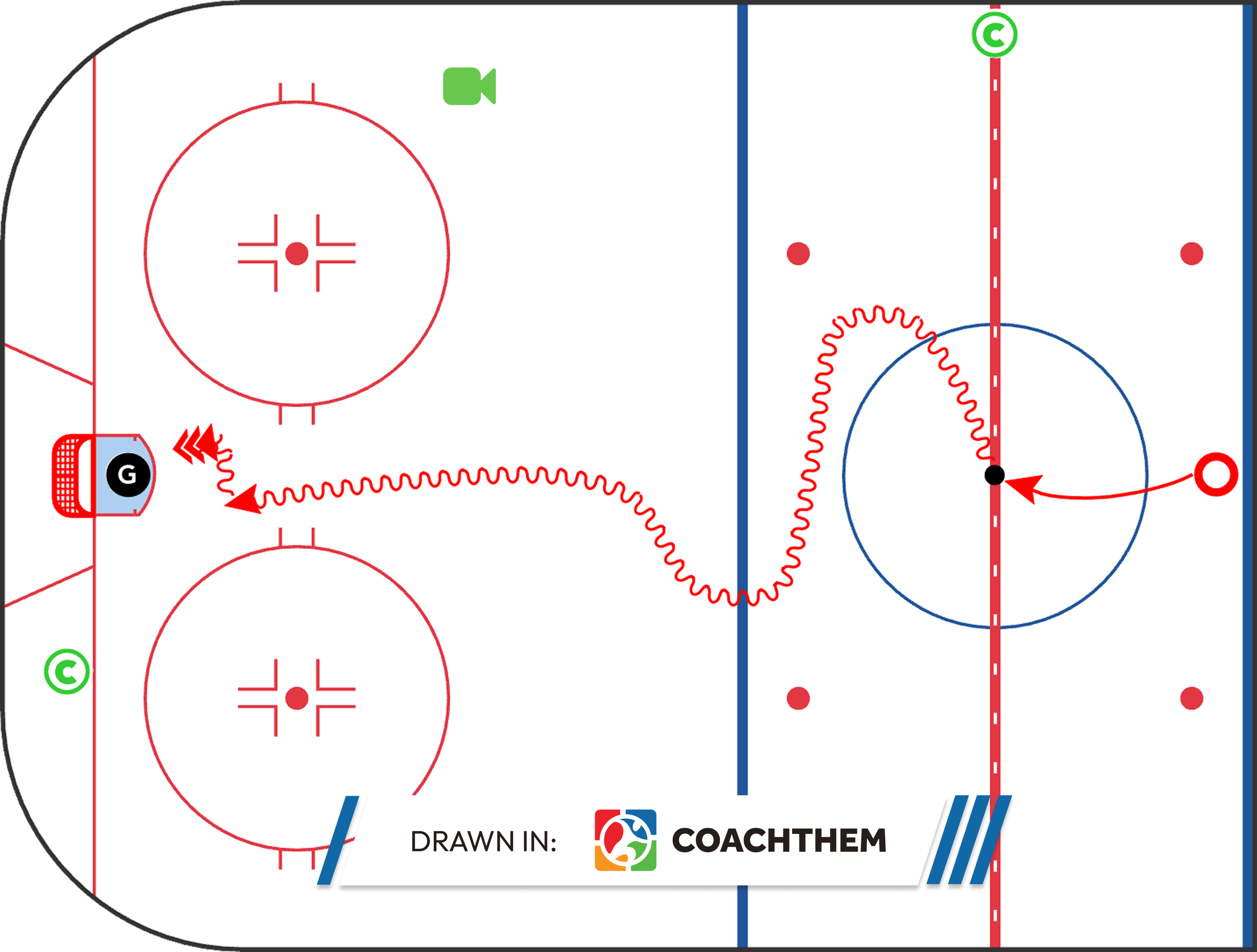
Jocelyne Lamoureux’s shootout goal to decide Olympic gold in 2018 is one of the most composed, technically clean finishes ever seen under Olympic pressure. With the game on the line, there is no system to hide behind and no teammate to rely on. The entire moment comes down to one player’s ability to read, decide, and execute.
This play occurred after a tightly contested game where both teams had already absorbed enormous physical and emotional stress. By the time the shootout arrived, fatigue was evident, yet Lamoureux’s approach was calm and deliberate. There was no hesitation, no unnecessary movement, and no visible second-guessing.
The value of this moment lies in how clearly it demonstrates decision-making under maximum pressure. It is a masterclass in simplicity, confidence, and execution.
Why It Worked (Tactical Breakdown)
The shootout goal works because the decision is made early and never wavers. Lamoureux commits to her move well before reaching the hash marks, eliminating hesitation and allowing her to execute with full confidence. Her approach speed is controlled, forcing the goalie to hold depth rather than challenge aggressively. With minimal stickhandling, she removes visual cues that might allow the goalie to read the release. The finish itself is precise rather than powerful, exploiting a small opening created by timing and deception.
4. Dominik Hašek’s Shootout Performance
Czech Republic vs Canada - 1998 Nagano Olympics (Men’s Semifinal)
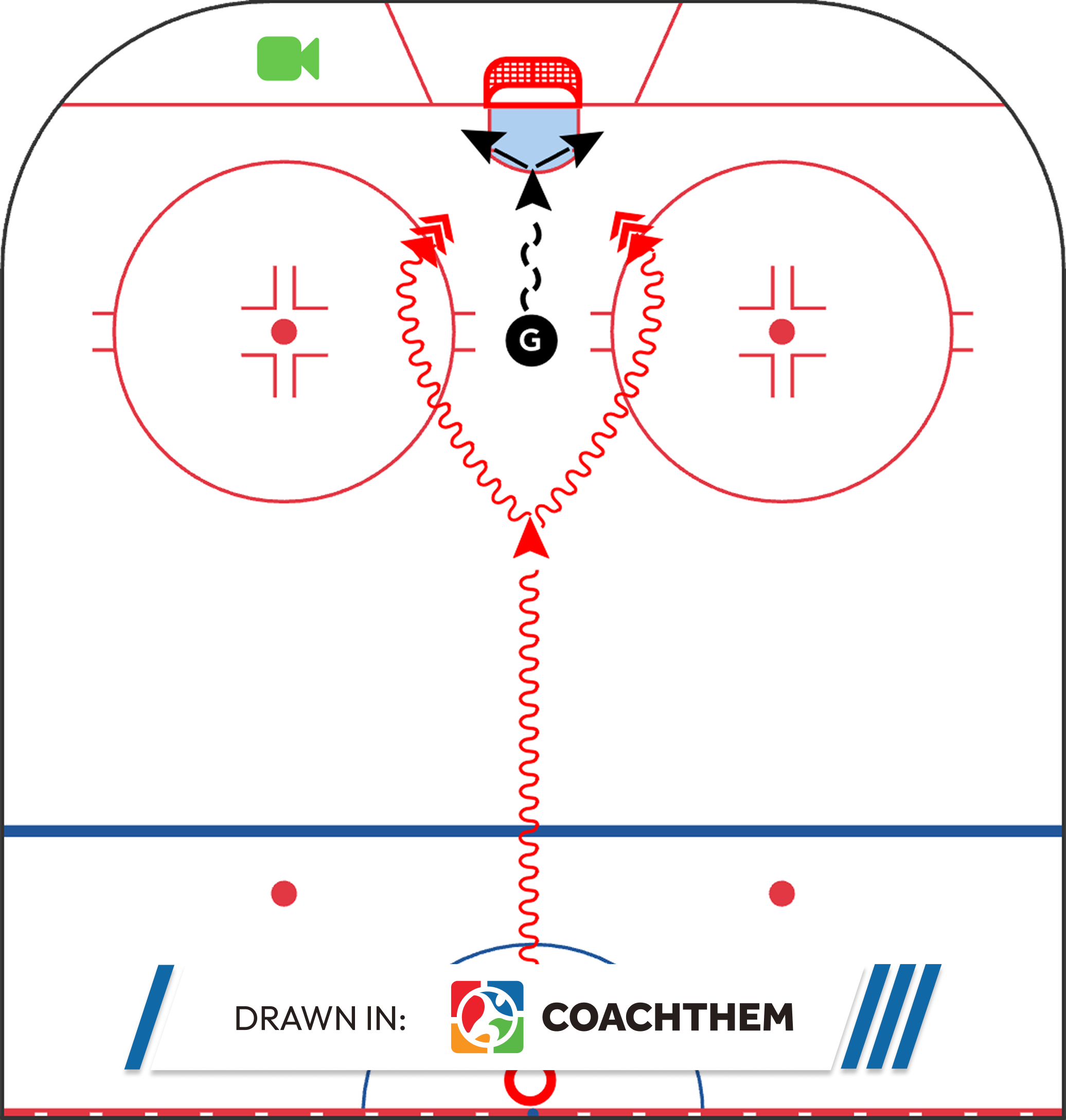
Dominik Hašek’s shootout performance against Canada in the 1998 Olympic semifinals is one of the greatest goaltending displays in Olympic ice hockey history. Facing a lineup filled with elite NHL scorers, Hašek turned the shootout into a psychological battle and won it decisively.
This moment matters because it shows how a goaltender can control the game mentally as much as physically. Each save applied pressure back onto the shooter, shifting momentum one attempt at a time. Rather than reacting, Hašek dictated terms.
For coaches, this is a reminder that goaltending is proactive, disruptive, and mentally dominant.
Why It Worked (Tactical Breakdown)
Hašek’s success comes from aggressive depth management and constant angle disruption. By challenging shooters early, he reduces available shooting options and forces decisions sooner than shooters prefer. His unorthodox positioning removes familiar visual cues, making it difficult for shooters to read openings. Between attempts, Hašek fully resets, preventing emotional carryover and maintaining composure. The result is a goaltender who controls tempo and confidence throughout the shootout. The coaching takeaway is clear: elite goaltending is built on angle control, patience, and mental discipline as much as reflexes.
5. Marie-Philip Poulin’s Overtime Gold Medal Goal
Canada vs USA - 2014 Sochi Olympics (Women’s Gold Medal Game)
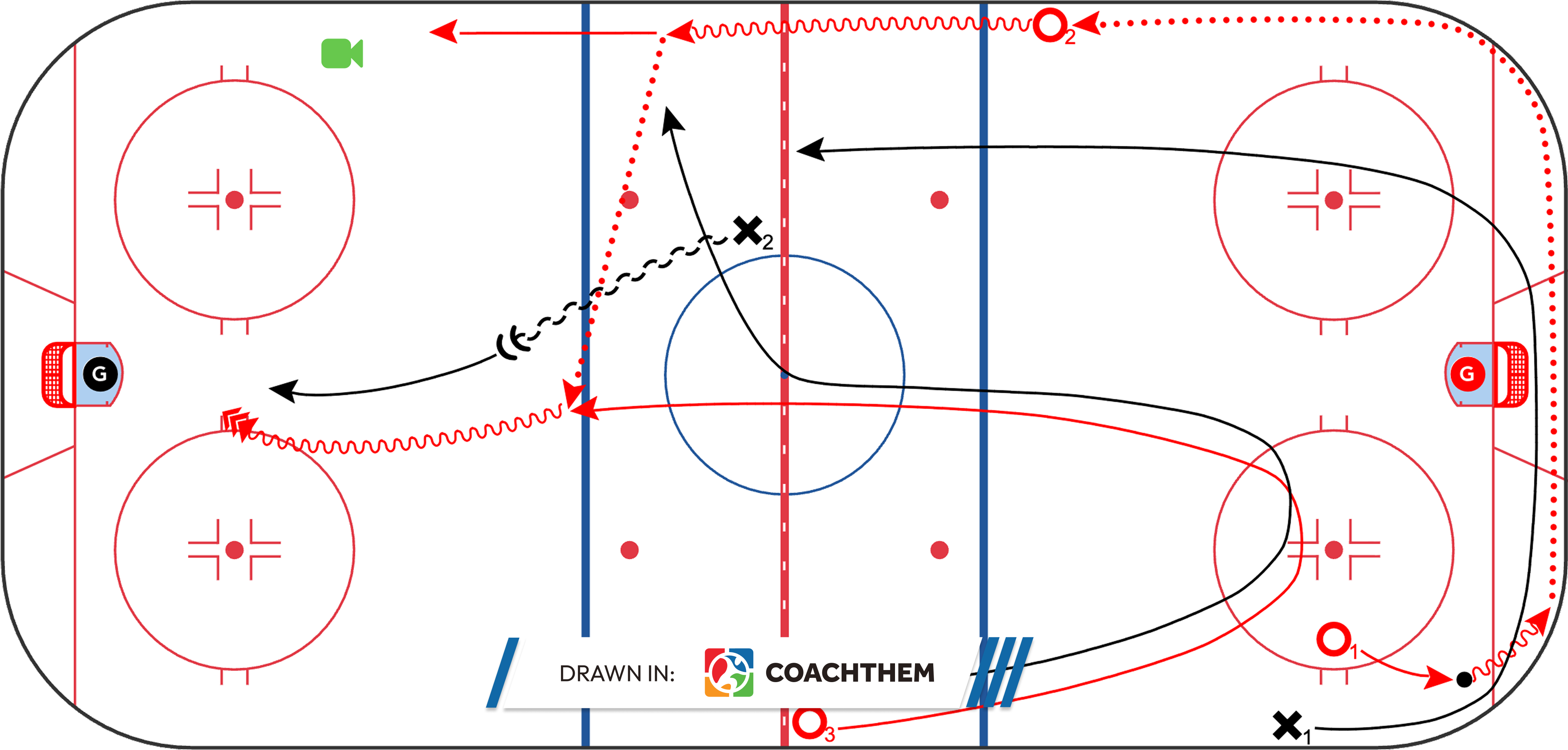
Marie-Philip Poulin’s overtime goal in the 2014 Olympic gold medal game is one of the most iconic clutch moments in women’s Olympic ice hockey. It did not come from a rush or a highlight-reel move, but from relentless commitment to net-front fundamentals.
By overtime, both teams were exhausted, and scoring chances were limited. Space was contested heavily, and every puck battle carried significance. Poulin’s goal came because she consistently put herself in difficult areas and stayed there.
This play matters because it reinforces that the biggest goals are often scored through habits built over time, not creativity in the moment.
Why It Worked (Tactical Breakdown)
The goal works because Poulin establishes inside position early and refuses to be moved from the scoring area. Her stick is prepared before the puck arrives, allowing her to react instantly to a loose puck. There is no extra motion, no adjustment, and no delay in release. The defender is present, but late, because Poulin’s timing and positioning are already correct. For coaches, this is a powerful teaching example: net-front scoring is about anticipation, body positioning, and readiness, not size or strength alone.
Key coaching takeaways from Olympic hockey
-
Spacing creates time. Time creates better decisions.
-
Support is a skill: arrive on time, not early.
-
Patience under pressure beats forced, low-percentage plays.
-
Inside positioning wins the biggest moments.
-
Execution is simple—standards make it elite.
Looking Ahead to Olympic Ice Hockey in 2026
As the 2026 Winter Olympics begin, ice hockey will continue to be decided by details coaches work on every day. Puck support, spacing, timing, and decision-making under pressure will matter more than any single play or system.
The plays broken down in this article are good reminders of that. They come from players understanding where to be, when to move, and how to make simple decisions under pressure. Those habits come from repetition, clear teaching, and consistent structure in practice.
For coaches using CoachThem, these Olympic ice hockey examples can be turned into practical teaching tools. Redrawing these plays, breaking them into progressions, and building them into practice plans helps connect what players see on Olympic ice to what they work on during the week. That connection is what makes systems stick and habits reliable.
As teams tune into the 2026 Olympics, the fundamentals will remain the same. Coaches who focus on teaching structure, timing, and decision-making in practice are the ones giving their players the best chance to perform when the level rises.
Instead of just watching Olympic clips, turn them into teaching reps. In CoachThem, you can redraw each play, label the key reads (support, spacing, timing), and build a practice plan that matches your team’s age and skill level.
Frequently Asked Questions
What can hockey coaches learn from Olympic hockey plays?
Hockey coaches can learn how elite players execute simple systems under extreme pressure. Olympic hockey plays highlight decision-making, puck support, spacing, and timing, the same fundamentals coaches can teach, draw, and reinforce using CoachThem practice planning and drill design tools.
Why are Olympic hockey plays effective teaching tools for coaches?
Olympic hockey plays provide real game examples of structure and discipline working at the highest level. Coaches can use these moments in CoachThem to redraw plays, isolate decision points, and connect Olympic-level execution to everyday practice habits.
How does Olympic hockey improve decision-making under pressure?
Olympic hockey forces players to make fast, correct decisions with limited space and time. Coaches can translate these moments into teaching progressions by breaking down reads, timing, and support options inside CoachThem and applying them directly to practice plans.
How can coaches use Olympic hockey clips with CoachThem?
Coaches can upload or reference Olympic hockey clips, redraw the plays in CoachThem, and turn them into structured drills or full practice plans. This helps players visually connect elite game situations to the concepts they are working on during the week.

Now available on iOS — access your saved practice plans on the go.
Build Better Practices — Faster
Trusted by NHL, PWHL, and youth coaches across the world.
Start Your 10-Day Free TrialAlready have an account? Log in
Know other coaches who’d love CoachThem?
Join CoachThem Rewards and earn commissions for every referral.
Written by the CoachThem Team, February 6 2026
Recommended Posts

Mike Weaver on The Leverett Ball Show: From NHL Defenseman to Building Better Coaching Tools
CoachThem Co-Founder and CEO Mike Weaver joins The Leverett Ball Show to discuss his NHL career, player development, leadership, and life after hockey.
Practice Like A Pro 13.0
Improve rim retrievals, wall play, and breakout decisions with Mitch Giguere’s Practice Like A Pro 13.0 hockey drills focused on handling rimmed pucks under pressure.
How Bethel University Men’s Hockey Uses CoachThem Every Day
See how Bethel University Men’s Hockey uses CoachThem for pre-season planning, daily practices, special teams, staff collaboration, and a seven-year coaching archive.