
Lacrosse Season Is Here
March is when lacrosse season truly begins. The challenge is that the first two weeks of practice often determine how fast a team develops. If practices lack structure or purpose, players spend valuable time running drills that don’t translate to game performance.
Great lacrosse practices follow a simple principle: every drill should teach a skill that shows up in games. Using tools like CoachThem can also help coaches design more organized practices by drawing drills, building structured practice plans, and sharing them with their coaching staff or players.
To support your early-season planning, here are a few lacrosse drills that have gained attention across social media. Each has been recreated on CoachThem to help you clearly see the setup and execution.
Each drill is available in the CoachThem Marketplace – click the diagram to watch the video.
1. S-Weave Shooting Drill
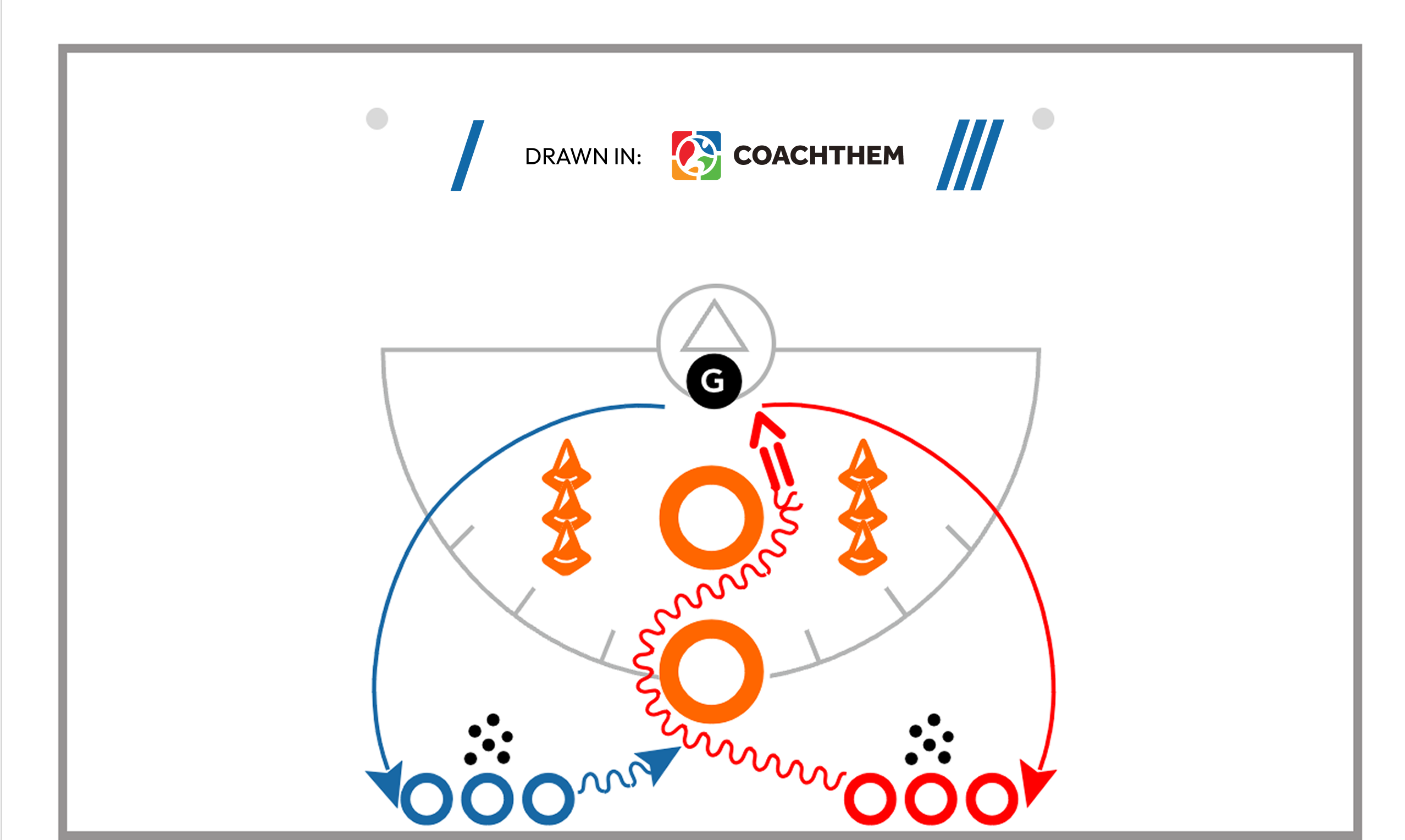
Source: @jesterslaxgirls via Instagram
2. Alley Drive W/ Roll To Partner Carve Cut
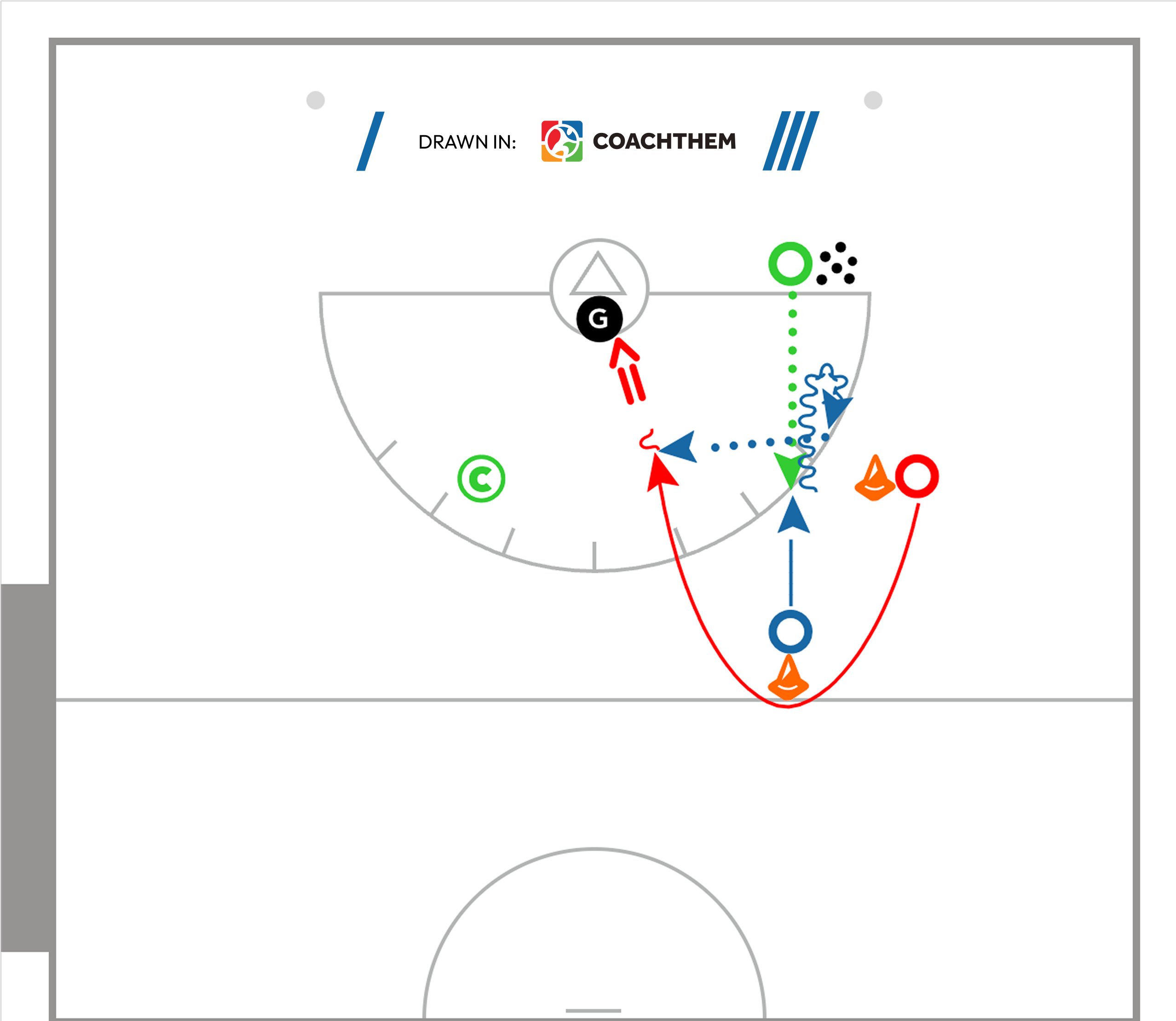
Source: @amypattoninc via Instagram
3. Accel–Decel–Explode 1 vs 1 Finishing Drill
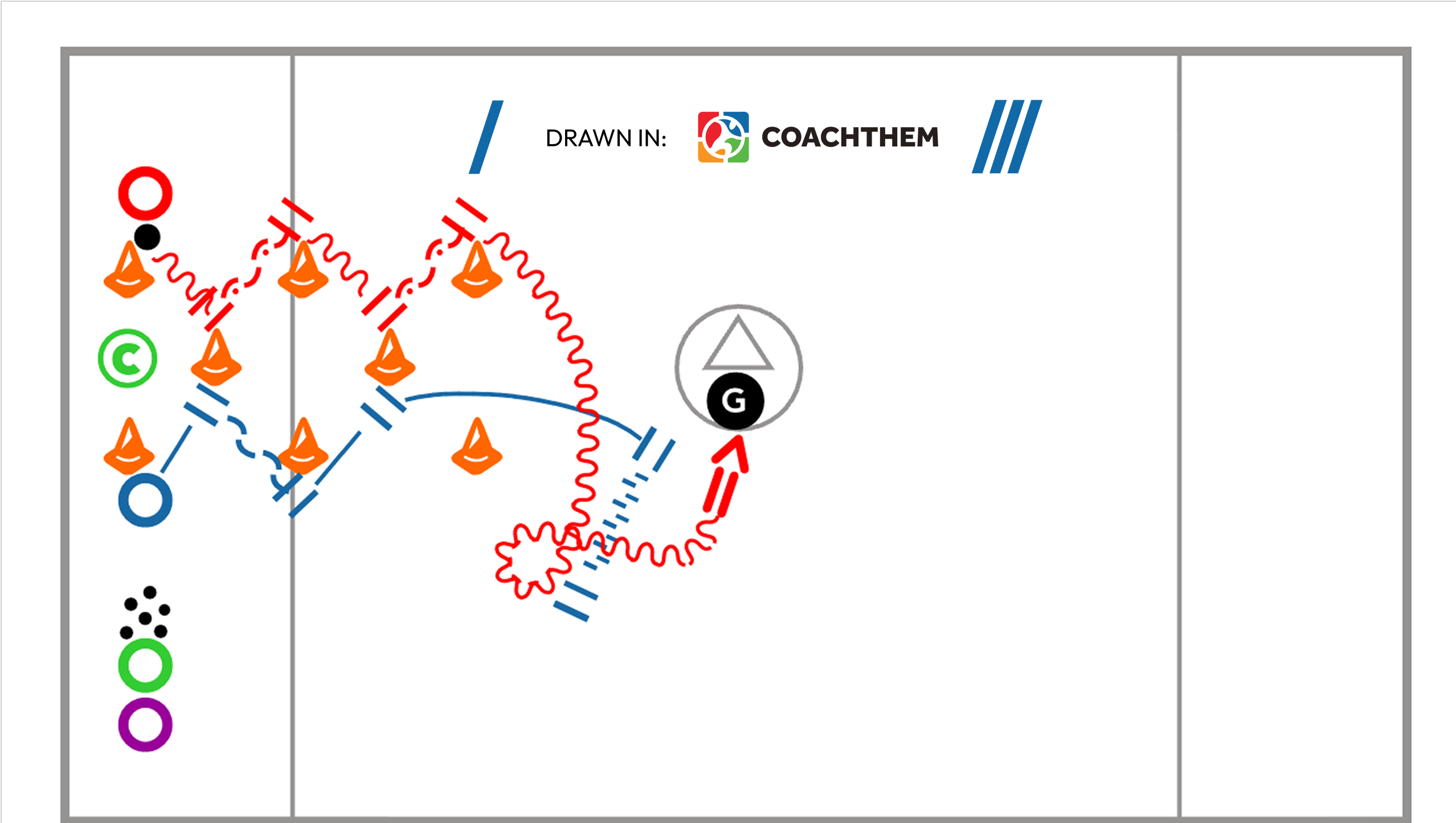
Source: @380lacrosse via Instagram
4. Freeze The Defense
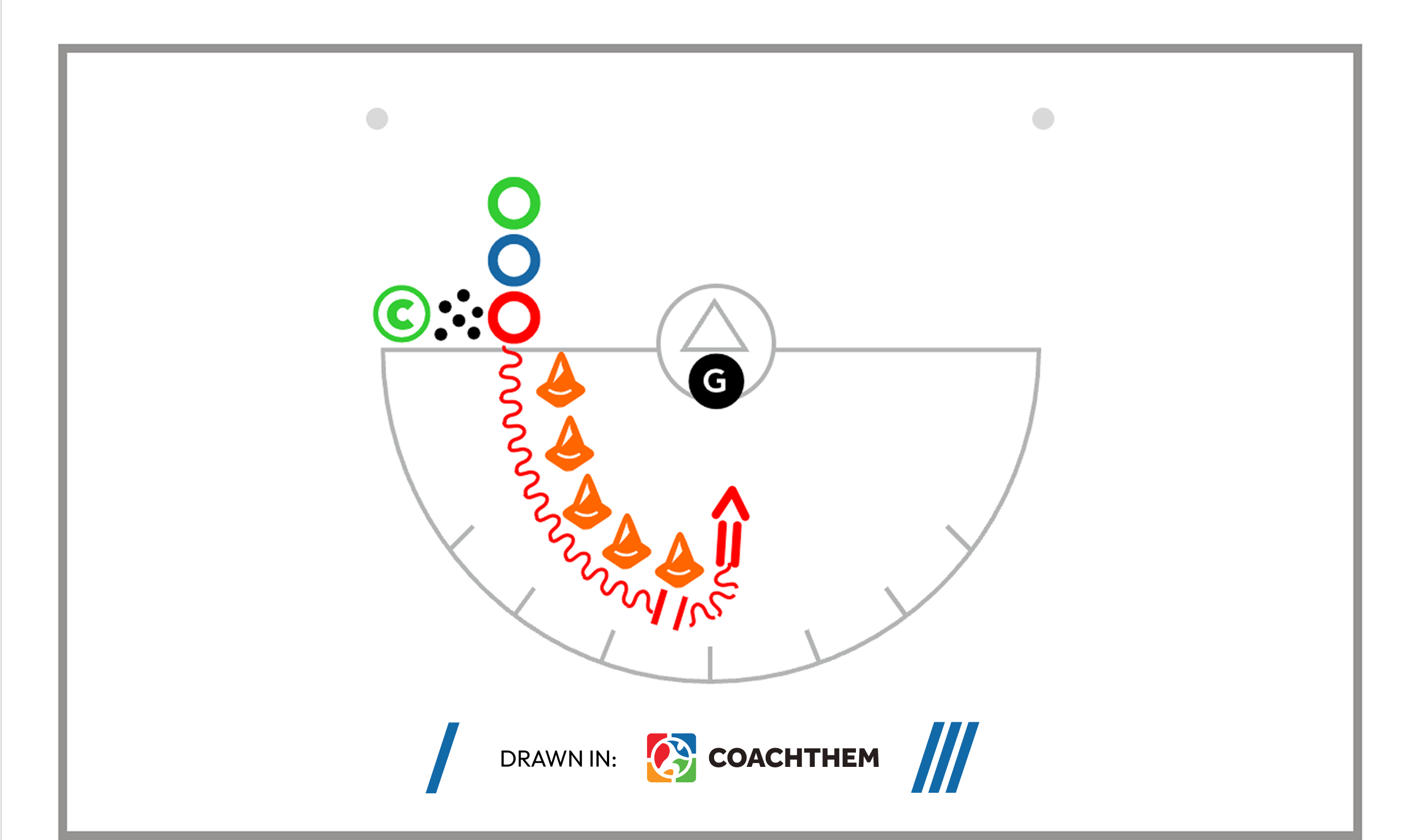
Source: @charlottenorthlacrosse via Instagram
5. Pin Elbow Wrap Around
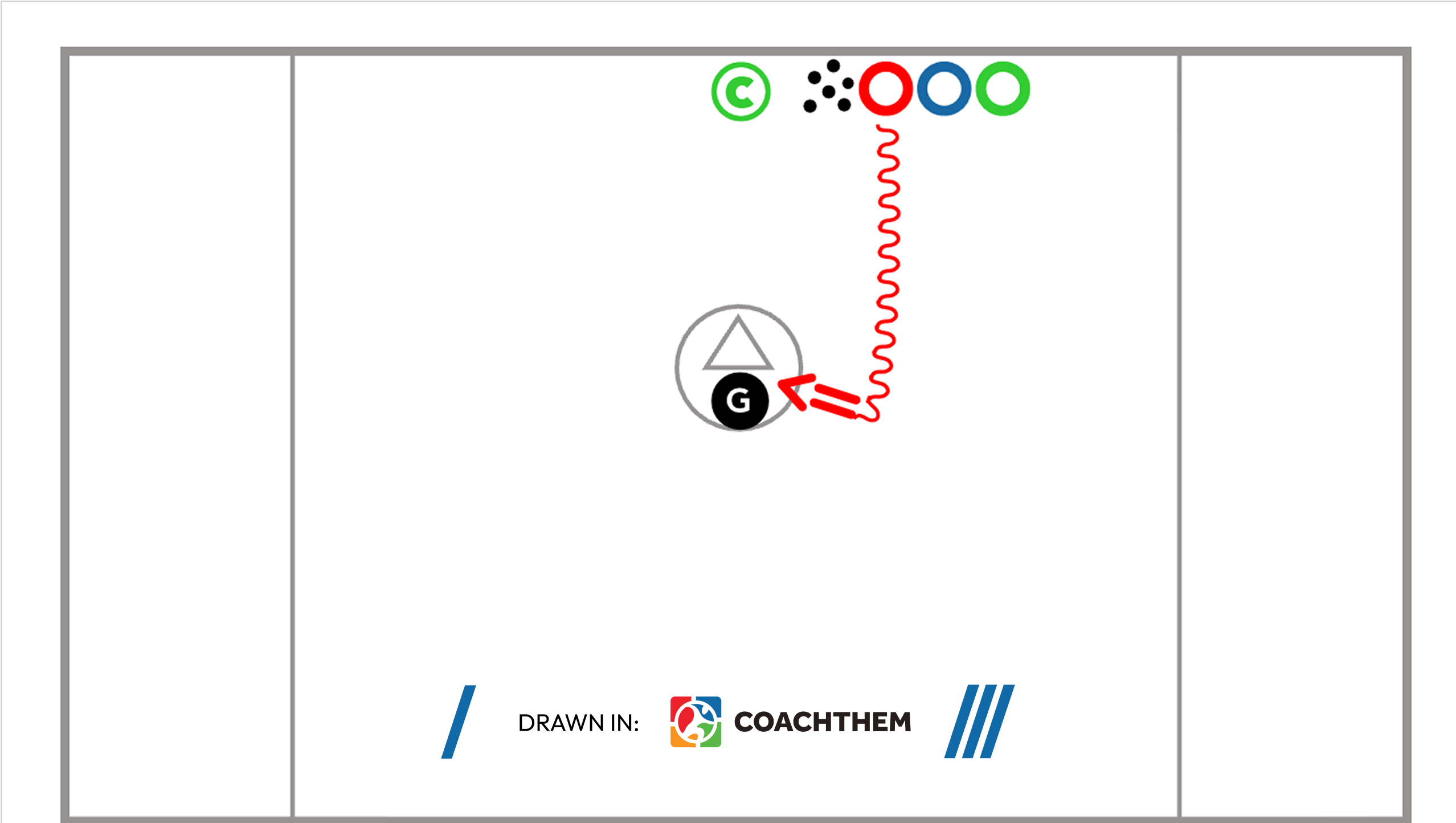
Source: @iq_lacrosse via Instagram
For coaches, the goal is to run the right drills with intention and to organize practices in a way that keeps players active, engaged, and constantly learning.
This is where tools like CoachThem can make a real difference. By visualizing drills, building practice plans, and organizing your team’s “drill bank,” coaches can design practices that are clear, efficient, and easy for players to understand.
And when every drill connects to the game, your team will be ready when the season begins.
Explore the full library of lacrosse drills in the CoachThem Marketplace and start designing your next practice today.
Frequently Asked Questions
What should the first lacrosse practice of the season focus on?
The first lacrosse practices of the season should focus on stick skills, ground balls, and simple game situations. Coaches should prioritize high-repetition drills like passing progressions, wall ball routines, and ground ball competitions to help players regain confidence with the ball and build fundamentals that translate directly to games.
How long should lacrosse practice drills last?
Most effective lacrosse practice drills should last between 5 and 10 minutes. Short, high-intensity drill blocks keep players engaged, increase repetitions, and allow coaches to cover multiple skills within a single practice session.
What are the best drills for early season lacrosse practices?
Some of the best early-season lacrosse drills include three-man passing drills, ground ball competition drills, 3v2 small-sided decision drills, transition fast break drills, and shooting drills with movement. These drills help players develop stick skills, decision-making, and game awareness early in the season.
Why are small-sided games important in lacrosse practice?
Small-sided lacrosse games create realistic game situations where players must read defenders, move without the ball, and make quick decisions. Because fewer players are involved, each athlete gets more touches and develops lacrosse IQ faster.
How can coaches design better lacrosse practice plans?
Coaches can improve their practice plans by organizing drills into structured segments, focusing on game-like situations, and maintaining high tempo throughout practice. Tools like CoachThem allow coaches to draw drills, build structured practice plans, and create a library of drills that can be reused throughout the season.
How do ground balls impact lacrosse games?
Ground balls are one of the most important aspects of lacrosse because they determine possession. Teams that consistently win ground balls often control the pace of the game and generate more scoring opportunities.

Now available on iOS — access your saved practice plans on the go.
Build Better Practices — Faster
Trusted by NHL, PWHL, and youth coaches across the world.
Start Your 10-Day Free TrialAlready have an account? Log in
Know other coaches who’d love CoachThem?
Join CoachThem Rewards and earn commissions for every referral.
Written by the CoachThem Team
Recommended Posts

Mike Weaver on The Leverett Ball Show: From NHL Defenseman to Building Better Coaching Tools
CoachThem Co-Founder and CEO Mike Weaver joins The Leverett Ball Show to discuss his NHL career, player development, leadership, and life after hockey.
Practice Like A Pro 13.0
Improve rim retrievals, wall play, and breakout decisions with Mitch Giguere’s Practice Like A Pro 13.0 hockey drills focused on handling rimmed pucks under pressure.

How Bethel University Men’s Hockey Uses CoachThem Every Day
See how Bethel University Men’s Hockey uses CoachThem for pre-season planning, daily practices, special teams, staff collaboration, and a seven-year coaching archive.