Year-in-Review: 7 Coaching Lessons from 2025 You Can Steal for 2026
2025 was a revealing year for hockey coaches. Across thousands of practices built, drills shared, and seasons mapped inside CoachThem, clear patterns stood out. Not trends for trend’s sake, but practical hockey coaching lessons that separated organized, adaptable programs from ones constantly playing catch-up.
This year-in-review pulls together the most common hockey coaching tips from 2025 we saw across youth, high-school, junior, and minor pro environments. Each lesson includes one concrete adjustment you can steal for 2026, grounded in real coach behavior and practice planning best practices.
Think of this as a coaching reflection with a purpose, fewer guesses and more intention.
1. Coaches Who Used Video With Purpose Got More Buy-In
In 2025, video stopped being a highlight tool and became a teaching one. The biggest jump in player understanding came from coaches who paired short video clips directly with practice plans, not long post-game breakdowns.
What worked:
- 10-30 second clips tied to one teaching point
- Video reviewed before practice, not after games
- Clips linked directly to drills or SAGs
This shift was especially noticeable in youth hockey development, where players processed visuals faster than whiteboard explanations.
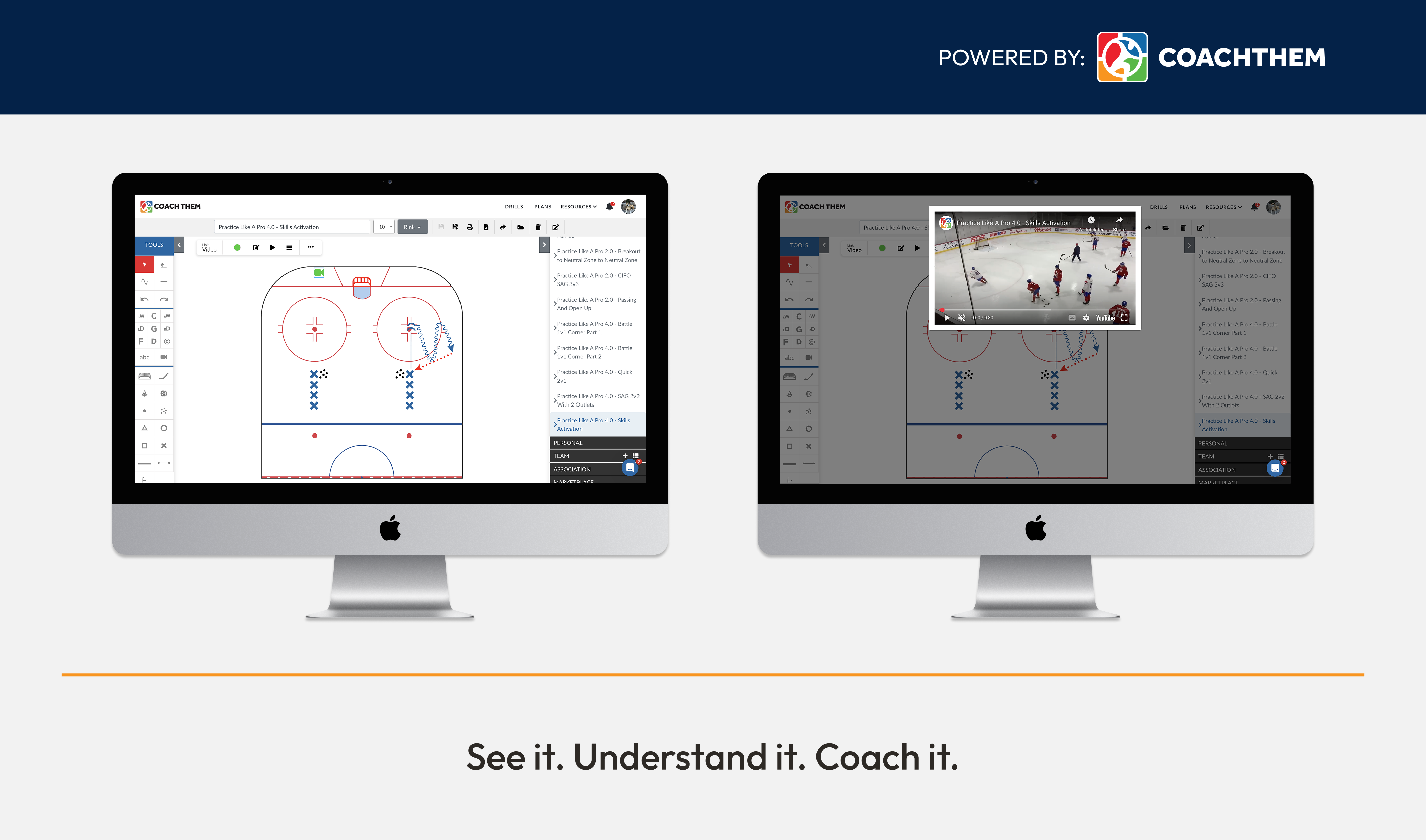
Steal this for 2026: Add one short video clip to every practice plan, linked to a single drill or concept. If the clip doesn’t support that drill, cut it.
2. Micro Plans Beat Perfect Plans
One of the clearest hockey coaching lessons from 2025 was that coaches who planned smaller won more consistently.
Instead of building massive, rigid practice plans weeks in advance, successful coaches leaned into:
- 10-15 minute blocks
- Adjustable drill progressions
- Built-in reset points
Micro planning reduced stress and improved adaptability, especially during congested schedules or injury-heavy stretches.
Steal this for 2026: Break every practice into three micro blocks: warm-up, concept focus, and compete. Give yourself one swap option per block so you can pivot without rebuilding the entire plan.
3. Small Area Games Became the Backbone
By mid-2025, small area games shifted from a simple end-of-practice reward to the core teaching environment.
Coaches who leaned into SAGs used them to:
- Teach decision-making under pressure
- Layer systems concepts into game-like reps
- Increase pace without increasing ice usage
The result was longer player engagement and practices that felt competitive without constant coach intervention.
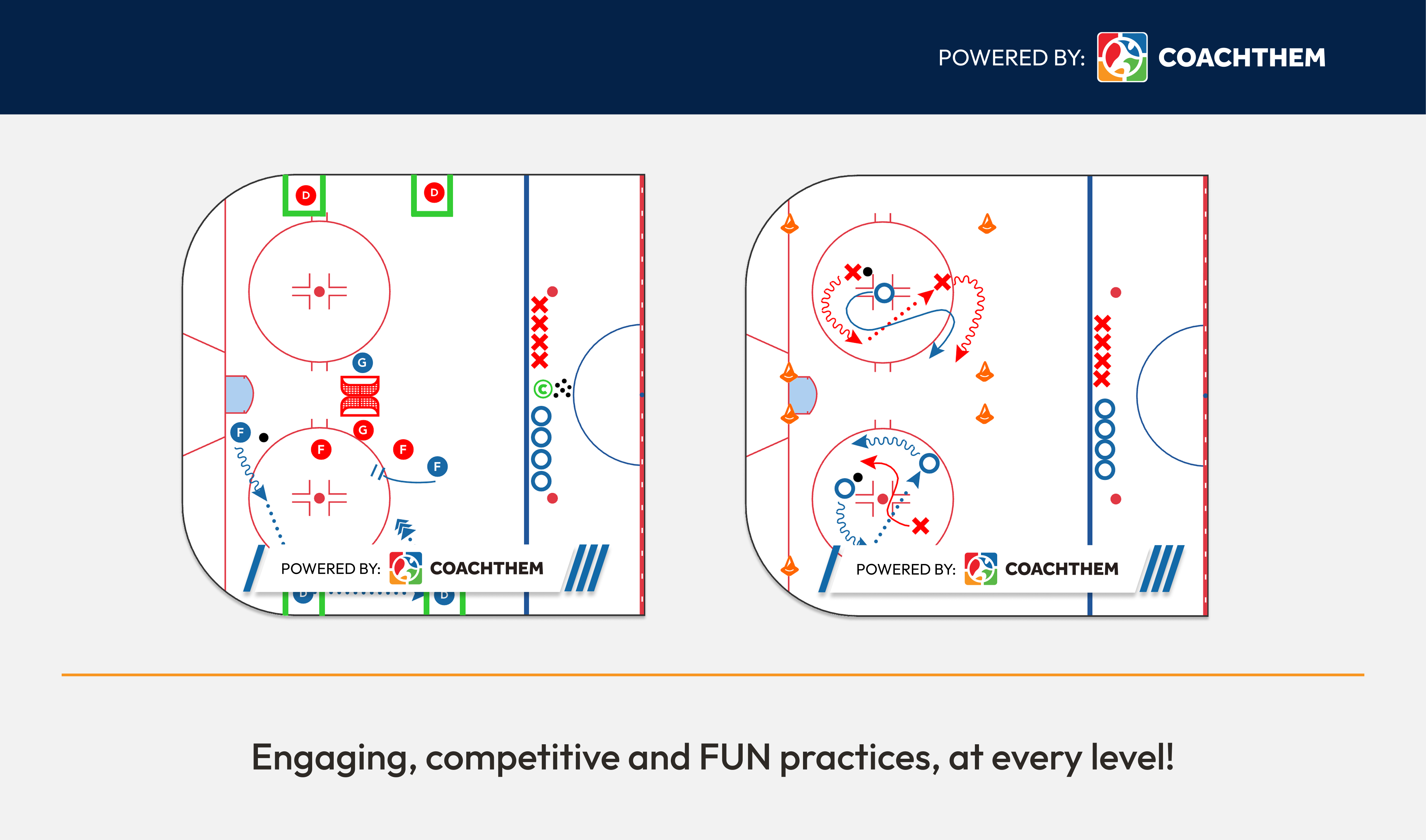
Steal this for 2026: Design one SAG per practice that reinforces your main concept. If the drill doesn’t force decisions, it’s just skating.
4. Staff Alignment Mattered More Than Individual Talent
In 2025, teams with staffs that worked well together improved faster than teams built around one standout coach.
Where things clicked:
- Shared practice plans across the staff
- Clear ownership of stations and teaching points
- Consistent terminology from U9 through U18
This applied across all levels, but it was most impactful in organizations focused on long-term youth hockey development.
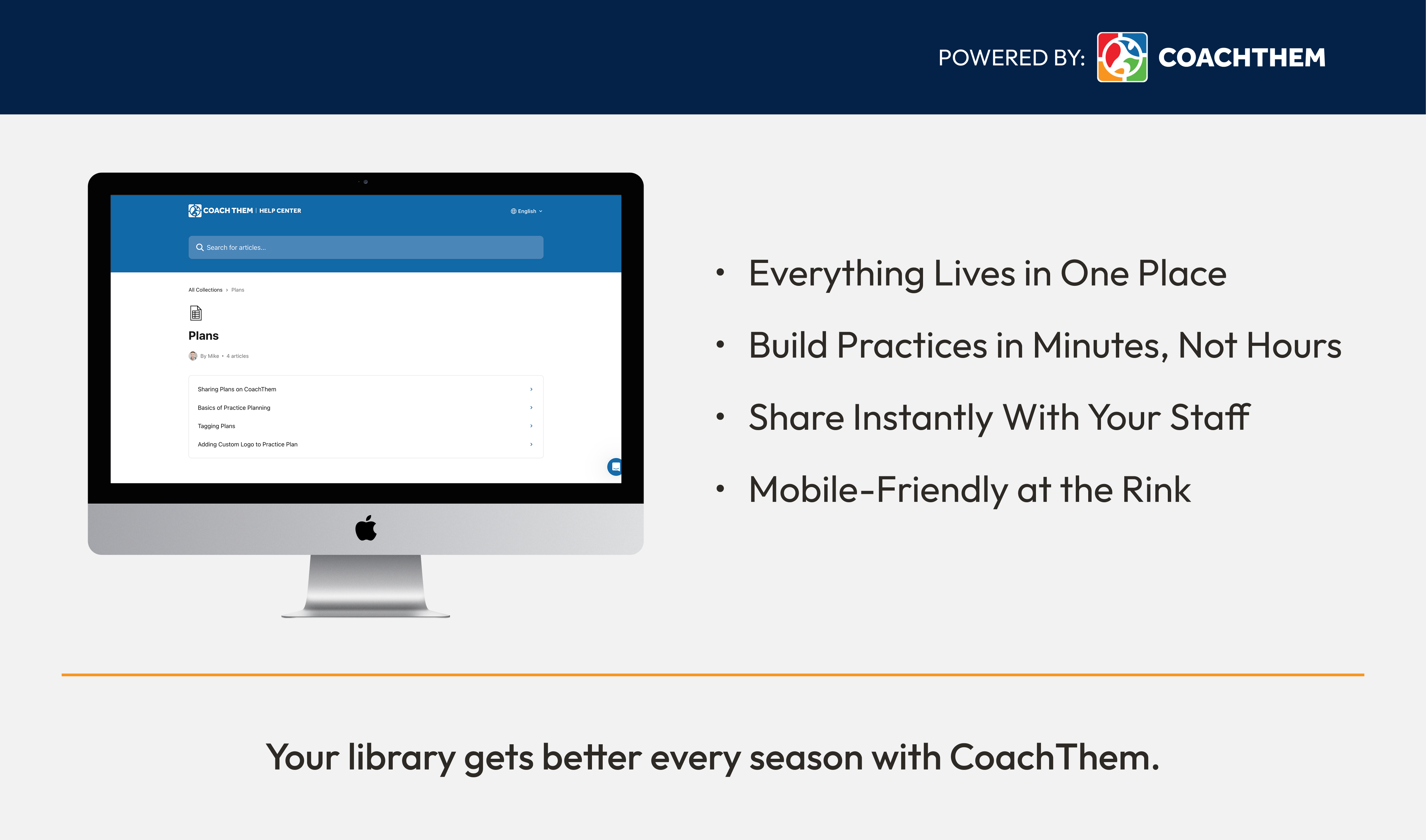
Steal this for 2026: Before the season starts, work with your staff to create three shared templates: how practices are structured, how you talk about small area games, and what each week is focused on. Consistency beats creativity when developing players.
5. Reflection Became a Competitive Advantage
One underrated lesson from 2025 was that coaches who took time to reflect each week improved faster
Not journaling just to journal, but focusing on reflection that actually improves your coaching:
- What did players struggle with?
- Which drills created confusion or flow?
- What needs simplifying next week?
Coaches who tracked this consistently made better adjustments and avoided repeating ineffective habits.
Steal this for 2026: After each week, write down one drill to keep, one to improve, and one to remove. Small reflections compound over a season.
6. Practice Plans Became Living Documents
Static PDFs faded in 2025. Coaches gravitated toward dynamic practice plans that could evolve throughout the season.
The most effective plans:
- Reused core drills with new constraints
- Adjusted for roster size and energy
- Linked directly to long-term development goals
It supported smarter practice planning and saved time while still keeping things organized.
Steal this for 2026: Build a personal drill library and tag drills by skill, concept, and age level.
7. Coaches Who Simplified Communication Got More From Players
Finally, the clearest lesson from 2025 was that talking less led to better outcomes.
Successful coaches:
- Limited explanations to one cue per drill
- Let constraints teach instead of lectures
- Used visuals instead of re-explaining concepts
This was especially effective with younger teams and developing players learning how to process the game.
Steal this for 2026: Before practice, identify the single phrase you’ll repeat all day. If you need five cues, your drill is doing too little work.
What This Means for Improving as a Hockey Coach in 2026
Taken together these seven lessons show that modern coaching is not about doing more and is instead about doing fewer things with more intention.
If you are serious about improving as a hockey coach in 2026, progress comes from being more intentional in how you plan, teach, reflect, and adapt, instead of changing your entire philosophy.
None of that is out of reach.Those habits are repeatable and stealable.
Ready to Apply These Lessons?
If you want to put these ideas into action without adding hours to your week, CoachThem is built for exactly this style of coaching.
Start a FREE TRIAL and see how intentional planning, visual teaching, and shared structure can change how your season feels, not just how it looks.

Frequently Asked Questions
What were the most important hockey coaching lessons from 2025?
The biggest hockey coaching lessons from 2025 centered on intentional practice planning, simplified communication, and using video with purpose. Coaches who planned in smaller blocks, relied on small area games, and reflected weekly saw more consistent player development across all levels.
How can hockey coaches improve their practice planning in 2026?
Hockey coaches can improve practice planning by breaking sessions into short, adjustable blocks instead of rigid full-practice plans. Using reusable drills, small area games, and built-in reset points allows coaches to adapt practices without starting over each time.
Why are small area games so important for youth hockey development?
Small area games accelerate youth hockey development by forcing players to make decisions under pressure in game-like situations. In 2025, coaches used SAGs as the backbone of practices to improve engagement, pace, and hockey sense without over-coaching.

December 31, 2025
Written by the CoachThem Team
Ditch the pen and paper! Sign up or log in to create professional digital drills in minutes.
Join CoachThem Rewards to earn money by referring other coaches and growing our coaching community!